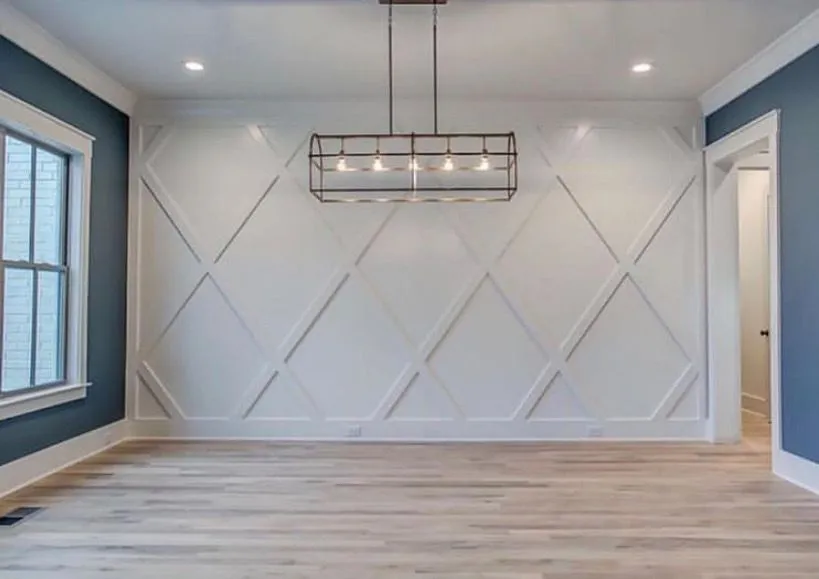
Kitchen Makeover DIY vs Dining Room
Embarking on a DIY project for your home can be incredibly rewarding, and when it comes to revamping your living spaces, the kitchen and dining room often top the list. Deciding between a kitchen makeover and a dining room transformation depends largely on your priorities, budget, and the current state of each room. The kitchen, being the heart of the home, may require more extensive renovations involving cabinetry, countertops, and appliances. A dining room makeover, on the other hand, could focus more on cosmetic changes like paint, furniture, and decor. This guide will help you navigate the exciting world of DIY home improvement, offering insights and inspiration to create spaces that reflect your style and meet your needs, whether you choose to start with your kitchen or dining room.
Planning Your DIY Kitchen Decor
Careful planning is essential before diving into any DIY kitchen project. Begin by assessing your existing kitchen the layout, functionality, and overall aesthetic. Identify areas that need improvement, whether it’s outdated cabinetry, insufficient storage, or a lack of natural light. Set a realistic budget and timeline to avoid overspending or feeling overwhelmed. Research design ideas, gather inspiration from magazines, online platforms, or home improvement shows, and create a mood board to visualize your desired outcome. Consider your cooking habits and lifestyle to ensure the renovated space is practical and tailored to your needs. Prioritize tasks and break down the project into manageable steps to maintain focus and prevent frustration. A well-thought-out plan will lay the foundation for a successful kitchen transformation.
Choosing a Style for Your Kitchen

Selecting a kitchen style that reflects your personality and complements your home’s architecture is a crucial step in the design process. Consider classic styles like traditional, characterized by ornate details, warm colors, and rich materials like wood. Modern kitchens, with their clean lines, minimalist aesthetics, and often monochromatic color palettes, offer a sleek and contemporary feel. Transitional style blends elements of both traditional and modern design, providing a balanced and versatile aesthetic. Farmhouse kitchens embrace rustic charm with elements like shiplap walls, open shelving, and vintage-inspired fixtures. Coastal kitchens evoke a relaxed, airy ambiance with light colors, natural textures, and beach-inspired decor. Choose a style that aligns with your preferences and enhances the overall flow and aesthetic of your home. Research various styles to determine what best suits your taste and lifestyle.
Selecting Colors and Materials
The choice of colors and materials significantly impacts the overall look and feel of your kitchen. Consider how colors affect mood and ambiance. Light colors like white, cream, and pastels can make a kitchen feel spacious and airy, while darker shades add warmth and intimacy. Materials should be chosen based on durability, maintenance, and aesthetic appeal. For countertops, options range from durable granite and quartz to the more budget-friendly laminate. Cabinetry materials include solid wood, MDF (medium-density fiberboard), and plywood, each offering different levels of quality and cost. Flooring options vary from tile and hardwood to vinyl and linoleum, each with its own advantages and disadvantages. Ensure that the colors and materials harmonize to create a cohesive and inviting space. Consider the amount of natural light your kitchen receives when selecting colors and materials.
DIY Kitchen Decor Ideas
Once the major structural elements are in place, you can focus on DIY decor to add personality and functionality to your kitchen. Consider painting your existing cabinets to give them a fresh look. Install new hardware, like knobs and pulls, to update the style of your cabinets. Create a backsplash using peel-and-stick tiles for an easy and affordable upgrade. Add open shelving to display decorative items and frequently used kitchenware. Incorporate a kitchen island with storage or seating to enhance functionality. Update lighting fixtures, such as pendant lights or under-cabinet lighting, to improve both aesthetics and task lighting. Use decorative elements like plants, artwork, and accessories to add warmth and personality. These simple DIY projects can significantly transform the look and feel of your kitchen.
DIY Kitchen Storage Solutions

Maximizing storage space in your kitchen is essential for maintaining organization and functionality. Install pull-out shelves in lower cabinets to easily access pots, pans, and other items. Add dividers to drawers to keep utensils and other items neatly organized. Utilize vertical space by installing shelves or racks on cabinet doors. Consider a pantry makeover by adding shelves, drawers, and organizers. Incorporate a pegboard system to hang utensils and pots. Create a command center with a chalkboard or whiteboard to manage your family’s schedule. These DIY storage solutions will not only improve efficiency but also help to keep your kitchen clutter-free.
DIY Kitchen Lighting Upgrade
Effective lighting is vital in a kitchen, serving both practical and aesthetic purposes. Upgrade your kitchen lighting by replacing old fixtures with energy-efficient LED options. Install under-cabinet lighting to illuminate countertops and work areas. Add pendant lights above the island or peninsula for focused task lighting and visual appeal. Incorporate recessed lighting for general illumination. Consider dimmers to adjust the lighting levels and create ambiance. Choose lighting fixtures that complement your kitchen’s style and provide the right amount of light for your cooking and other activities. A well-planned lighting scheme will enhance the functionality and beauty of your kitchen.
DIY Kitchen Decor Accessories
Accessorizing your kitchen with the right decor elements can add personality and warmth to the space. Display decorative items on open shelves or countertops, such as cookbooks, ceramic dishes, or plants. Add a colorful rug or runner to soften the space and add a touch of style. Incorporate a mix of textures, such as wooden cutting boards, woven baskets, and textured towels. Display artwork that complements your kitchen’s color scheme and style. Use functional accessories, like stylish canisters for storing dry goods and decorative utensil holders. Choose accessories that reflect your personal style and make your kitchen a welcoming and inviting space.
Dining Room Makeover Ideas

A dining room makeover can range from a simple refresh to a more extensive project. Start by evaluating your current dining room furniture. Consider reupholstering your chairs or refinishing your table to give them a new lease on life. Painting the walls is a cost-effective way to change the room’s atmosphere; choose a color that complements your existing furniture and decor. Install new lighting, such as a chandelier or pendant lights, to enhance the room’s ambiance. Add a statement piece, such as a large mirror or artwork, to create a focal point. Incorporate decorative accessories like vases, candles, and centerpieces to add personality. A dining room makeover is a fantastic opportunity to create a welcoming space for gatherings and meals.
Setting the Mood in Your Dining Room
The right ambiance can transform your dining room from a simple eating space into a welcoming area for memorable gatherings. Use lighting to set the mood. Dimmer switches can help you adjust the brightness to match the occasion, creating a cozy and intimate environment. Choose a color palette that evokes the desired atmosphere. Warm colors like reds and oranges can stimulate conversation, while cooler tones like blues and greens promote relaxation. Consider using candles, table linens, and centerpieces to create a visually appealing and inviting tablescape. Use music or soft background sounds to create a calming atmosphere. The right ambiance will enhance your dining experience and create a space where you and your guests will enjoy spending time.
Dining Room Furniture DIY
DIY projects can be a great way to personalize your dining room furniture and save money. Consider building a dining table from reclaimed wood or other materials. Refinishing an old sideboard or buffet can give it a fresh look. Build a custom bench for seating or additional storage. Upholster dining chairs with new fabric to update their style. Create custom shelves or display units to showcase your decor. These DIY projects can be a rewarding way to add unique pieces to your dining room while saving on costs. Prioritize safety and follow all instructions carefully.
DIY Dining Room Decor Accessories

Accessories are essential for personalizing your dining room. Create a gallery wall with framed photos or artwork to add personality. Make a decorative centerpiece, such as a floral arrangement or a collection of candles. Craft DIY placemats or napkin rings to elevate your table setting. Display your favorite china or glassware in a stylish way. Add a mirror to reflect light and make the room appear larger. Choose accessories that reflect your personal style and create a warm and inviting dining space. These DIY projects will allow you to express your creativity and transform your dining room into a space that reflects your personal style.
Kitchen vs Dining Room Decorating Budgeting
Creating a realistic budget is crucial for any DIY decorating project. Begin by assessing your financial resources and setting a budget that you can comfortably afford. Prioritize your projects based on your needs and desires, allocating funds accordingly. Research the costs of materials, supplies, and any necessary tools. Compare prices from different sources, and look for discounts or sales to save money. Consider the option of upcycling or repurposing existing items to reduce expenses. Keep track of your spending throughout the project to ensure you stay within budget. Be prepared for unexpected costs and set aside a contingency fund. A well-planned budget will keep your project on track and prevent financial stress.
Comparing Costs
When deciding between a kitchen or dining room makeover, compare the potential costs of each project. Kitchen renovations often involve higher expenses due to the complexity and the need for appliances, cabinetry, and countertops. Dining room makeovers generally require a lower budget, as they often involve cosmetic changes like paint, furniture, and decor. Research the costs of the materials, supplies, and labor (if needed) for each project. Compare the price differences between various options, such as countertops, flooring, and furniture. Consider the value that each renovation will add to your home and whether the investment aligns with your financial goals. Comparing costs allows you to make an informed decision and prioritize your projects accordingly.
DIY Decorating Timeline

Creating a realistic timeline is important for successfully completing your DIY decorating projects. Begin by breaking down each project into smaller, manageable tasks. Estimate the time required for each task, considering factors such as the complexity of the project and your skill level. Schedule the projects and set deadlines for each task. Factor in potential delays or unexpected issues and build in some buffer time. Prioritize your projects and work on them in a logical order to avoid bottlenecks. Keep track of your progress and make adjustments as needed. Sticking to a timeline helps to keep you motivated and prevents you from getting overwhelmed.
Kitchen and Dining Room Decorating Inspiration
Seek inspiration from various sources to develop your vision for your kitchen and dining room. Browse online platforms like Pinterest and Instagram for design ideas, color schemes, and DIY projects. Read home decor magazines and blogs for inspiration and practical tips. Visit showrooms and home improvement stores to see different styles and materials. Attend home shows and exhibitions to discover the latest trends and products. Talk to friends, family, or designers to gather ideas and get suggestions. Create a mood board to collect your favorite ideas and visualize the final look. This inspiration will help you to create spaces that reflect your personal style and meet your needs.
Whether you choose to focus on your kitchen or dining room, remember that the key to a successful DIY makeover is careful planning, budgeting, and a touch of creativity. By following these tips and embracing your own style, you can transform your home into beautiful and functional spaces that you will love for years to come.