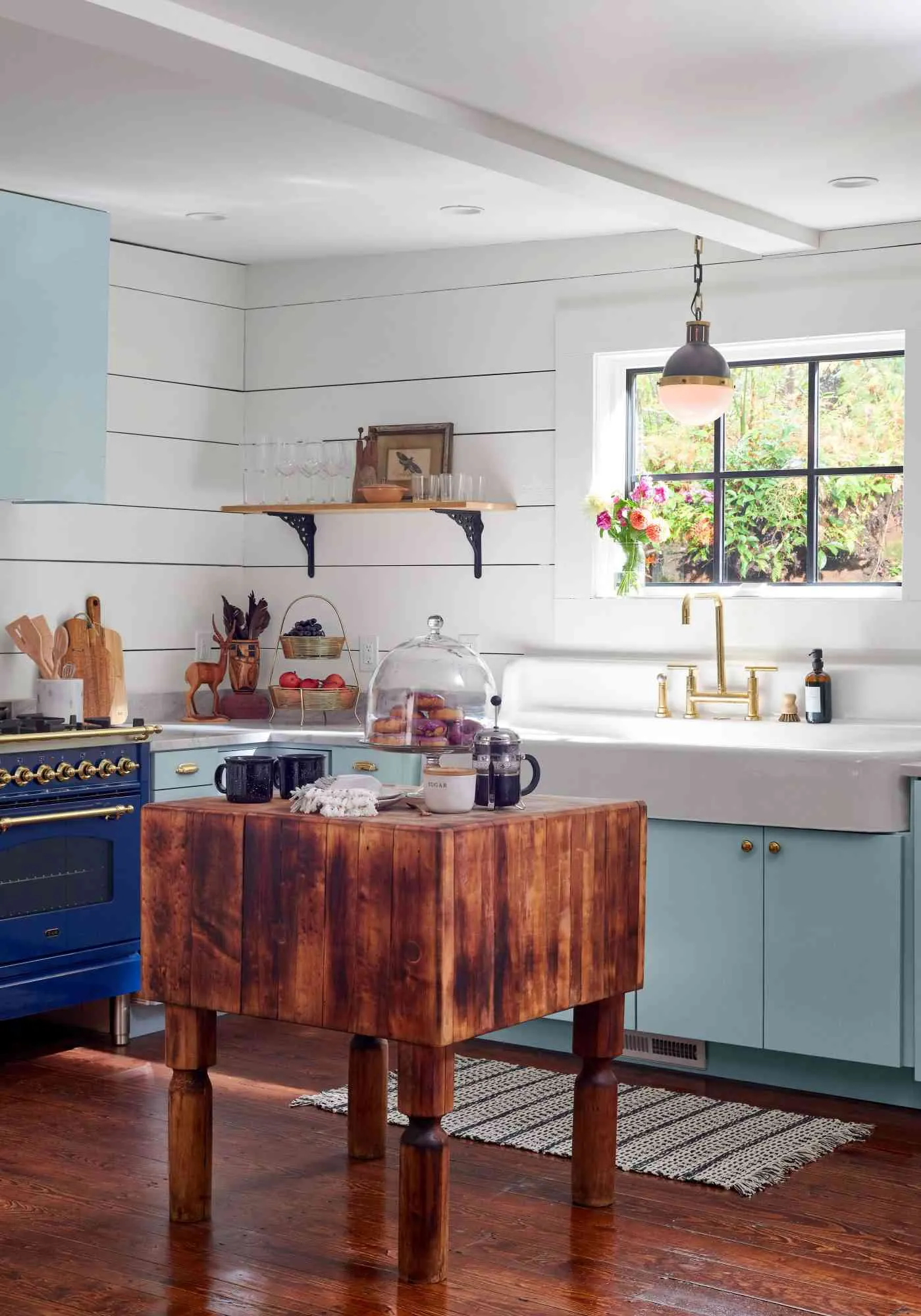
Farmhouse Kitchen Decor What Defines the Style
Farmhouse kitchen decor is more than just a trend it’s a lifestyle that embraces comfort, simplicity, and a touch of rustic charm. This style celebrates the warmth of a lived-in space, where functionality and aesthetics blend seamlessly. At its core, farmhouse decor is about creating a welcoming atmosphere that feels both cozy and stylish. It’s about embracing natural elements, vintage finds, and a relaxed, informal vibe. Think of a space that feels like a haven, where family and friends can gather, cook, and share meals in a setting that is both beautiful and practical. This guide will help you unlock the secrets to creating your dream farmhouse kitchen, transforming your space into a haven of warmth and style.
The Core Elements of Farmhouse Kitchens
Understanding the fundamental components of farmhouse kitchen decor is crucial for achieving the desired look. Several key elements consistently appear in this design style. Neutral color palettes, often featuring whites, creams, and soft grays, create a bright and airy base. Natural materials such as wood, stone, and metal are essential, bringing in warmth and texture. Shaker-style cabinets, with their simple, clean lines, are a hallmark of farmhouse kitchens, offering both style and functionality. Open shelving provides a place to display favorite dishes, cookbooks, and decorative items, contributing to the relaxed, inviting atmosphere. Vintage accents, such as antique signs, old-fashioned scales, and enamelware, add character and personality. These elements work together to create a cohesive and charming space that is both beautiful and practical.
Color Palette and Textures

The color palette of a farmhouse kitchen sets the tone for the entire space. Whites, creams, and soft grays serve as the foundation, providing a sense of brightness and airiness. These neutral tones create a versatile backdrop that complements various accent colors and materials. To add warmth and depth, consider incorporating natural wood tones through cabinetry, flooring, or exposed beams. Textures play a significant role in farmhouse decor, providing visual interest and tactile appeal. Incorporate rough-hewn wood, woven fabrics, and natural stone to create layers of texture. These textural elements add depth and personality to the space, making it feel cozy and inviting. A well-chosen color palette and the strategic use of textures are essential for creating a farmhouse kitchen that is both stylish and comfortable.
Choosing the Right Color
When selecting colors for your farmhouse kitchen, it’s important to consider the overall mood you want to create. Whites and creams are classic choices, reflecting light and making the space feel larger. Soft grays add a touch of sophistication while still maintaining a neutral base. To add a pop of color, consider incorporating accent colors such as sage green, pale blue, or muted yellows through accessories, textiles, or even a painted island. The key is to choose colors that complement the natural materials and create a harmonious and inviting atmosphere. Before making a final decision, test paint samples in your kitchen to see how the colors appear in different lighting conditions. The right color choices will significantly impact the overall aesthetic of your farmhouse kitchen.
Incorporating Natural Textures
Incorporating natural textures is essential for adding depth and visual interest to your farmhouse kitchen. Wood is a cornerstone of this style, whether it’s through exposed beams, wood flooring, or butcher block countertops. The natural grain and warmth of wood bring a sense of organic beauty to the space. Consider adding stone accents such as a brick backsplash or a stone farmhouse sink to introduce texture and rustic charm. Woven fabrics like linen and cotton are perfect for curtains, tablecloths, and chair cushions, adding a touch of softness and comfort. Metal accents, such as iron light fixtures or copper pots and pans, can also add a touch of rustic elegance. By layering various textures, you create a rich and inviting space that feels both stylish and comfortable.
Essential Farmhouse Kitchen Features

Several key features define the essence of a farmhouse kitchen. Shaker-style cabinets are a hallmark, with their simple, clean lines and recessed panel doors. They offer a classic, timeless look that works well with various design styles. Open shelving is another essential element, providing a place to display dishes, cookbooks, and decorative items, contributing to the relaxed and inviting atmosphere. A farmhouse sink, also known as an apron-front sink, is a must-have, adding a touch of rustic charm and functionality. These sinks are typically made of porcelain, stainless steel, or fireclay and provide a deep basin for washing dishes. Consider the use of natural materials such as wood and stone to add warmth and texture. The combination of these features creates a space that is both beautiful and practical.
The Importance of Open Shelving
Open shelving is a crucial element in farmhouse kitchens, offering a perfect blend of style and functionality. It allows you to display your favorite dishes, cookbooks, and decorative items, adding personality and character to the space. Open shelves create an open and airy feel, making the kitchen feel more spacious and inviting. They also provide easy access to frequently used items, making cooking and entertaining more convenient. To create a visually appealing display, arrange items in a balanced and aesthetically pleasing manner. Mix and match different sizes, shapes, and textures, and incorporate decorative elements such as plants or vintage finds. Remember to keep the shelves organized and clutter-free to maintain the overall farmhouse aesthetic. Open shelving is a great way to create a personalized and inviting space.
Farmhouse Sinks and Faucets
The farmhouse sink, also known as an apron-front sink, is a quintessential feature of farmhouse kitchens. It’s a statement piece that adds a touch of rustic charm and undeniable functionality. These sinks typically have a deep basin, perfect for washing large pots and pans, and their exposed front panel adds a distinctive visual element. Farmhouse sinks come in a variety of materials, including porcelain, stainless steel, and fireclay, each offering its own unique aesthetic and durability. When choosing a faucet, opt for a design that complements the sink and the overall style of your kitchen. Classic options include gooseneck faucets and bridge faucets, often in finishes like brushed nickel or oil-rubbed bronze. The combination of a farmhouse sink and a well-chosen faucet is a powerful way to create a functional and stylish kitchen.
Lighting Fixtures and Their Impact

Lighting plays a crucial role in setting the ambiance of your farmhouse kitchen. It not only provides essential illumination but also enhances the overall style and character of the space. Choosing the right lighting fixtures can significantly impact the look and feel of your kitchen. Consider a combination of ambient, task, and accent lighting to create a well-lit and functional space. Pendant lights over the island or countertops, chandeliers over the dining area, and sconces near the sink are excellent choices. Choose fixtures with a rustic or vintage aesthetic, such as metal lanterns, Edison bulb pendants, or woven shades. The right lighting will not only brighten your kitchen but also add to the warmth and charm of your farmhouse decor.
Enhancing the Ambiance
To truly enhance the ambiance of your farmhouse kitchen, consider the interplay of light and shadow. Use dimmable lights to adjust the brightness based on the time of day or the occasion. The strategic placement of lighting fixtures is key. Place pendant lights over the kitchen island or countertops to provide task lighting while adding a touch of style. Consider using sconces near the sink or in other areas to provide additional ambient lighting. Avoid harsh, overhead lighting and instead opt for a layered approach. This will create a warm, inviting, and comfortable atmosphere. The right lighting choices can transform your kitchen into a haven of comfort and style.
Choosing the Right Lighting
When selecting lighting fixtures, consider the style of your farmhouse kitchen and choose fixtures that complement the overall aesthetic. Metal lanterns, with their rustic charm, are a popular choice. Edison bulb pendants add a vintage touch, while woven shades provide a softer, more natural look. Consider the size and scale of the fixtures in relation to your kitchen’s layout and the size of your island or dining area. The finish of your lighting fixtures can also influence the ambiance. Brushed nickel and oil-rubbed bronze are classic choices that work well with the farmhouse style. By choosing the right lighting, you can create a kitchen that is both functional and visually appealing.
Decorative Accessories and Details

Decorative accessories and details are essential for personalizing your farmhouse kitchen and adding character. These elements are like the finishing touches that transform a space from functional to fabulous. Incorporate vintage finds such as antique signs, old-fashioned scales, and enamelware to add a touch of nostalgia and charm. Displaying collections of mason jars, milk bottles, or vintage kitchen utensils can create a visually appealing and functional display. Consider adding natural elements such as potted herbs, fresh flowers, or wooden cutting boards to bring life and warmth into the space. The details you choose reflect your personal style and transform the kitchen into a unique and inviting space.
Adding Personal Touches
Adding personal touches is what makes a farmhouse kitchen truly unique. Incorporate items that reflect your personality and interests, such as family photos, artwork, or cookbooks. Displaying handwritten signs or quotes adds a personal touch and reminds you of what’s important. Consider incorporating vintage or antique finds, such as an old clock, a vintage enamelware collection, or a family heirloom. Don’t be afraid to mix and match different styles and textures to create a space that feels lived-in and welcoming. The key is to create a space that reflects your style and makes you feel at home. The thoughtful addition of personal touches makes your kitchen a haven of style and comfort.
Incorporating Rustic Elements
Rustic elements are a hallmark of farmhouse kitchen decor, adding warmth and a connection to nature. Consider adding wood accents such as a wooden island or open shelving. Incorporate natural textures like woven baskets, burlap runners, and wooden cutting boards to add warmth. Embrace vintage finds like antique signs, old scales, and enamelware to infuse the space with character. Consider adding a touch of industrial style with metal accents like pendant lights or metal stools. These rustic elements contribute to a warm, inviting, and character-filled kitchen.
Mixing and Matching for a Unique Look

Mixing and matching is an art in farmhouse design. Combine different styles and textures to create a unique and personalized space. Mix vintage finds with new pieces to create a layered, curated look. Don’t be afraid to blend natural materials like wood and stone with metal accents for visual interest. Combine different patterns and textures, such as a striped rug with a floral tablecloth, to add depth and dimension. The key is to find a balance and create a cohesive space that reflects your personal style and tells a story. Mixing and matching allows you to infuse your kitchen with individuality and create a welcoming atmosphere.
Maintaining the Farmhouse Aesthetic
Maintaining the farmhouse aesthetic in your kitchen requires a commitment to the core principles of the style. Regularly declutter and organize your space to prevent it from feeling cluttered and overwhelming. Embrace simplicity, and avoid excessive ornamentation. Dust and clean regularly to maintain a fresh, inviting atmosphere. Update accessories seasonally to keep the space feeling fresh and on-trend. By maintaining a clean, organized space, you’ll ensure your farmhouse kitchen retains its charm and remains a welcoming place. The key to a lasting farmhouse kitchen is to create a space that reflects your personal style.
In conclusion, creating the perfect farmhouse kitchen involves a blend of essential elements, thoughtful details, and personal touches. By embracing the core principles of the style, you can transform your kitchen into a welcoming haven that reflects your unique personality. From the warm embrace of a neutral color palette to the rustic charm of natural materials and vintage accents, the possibilities are endless. Remember to focus on creating a space that is both functional and beautiful. With careful planning and attention to detail, you can create a farmhouse kitchen that will be the heart of your home for years to come.