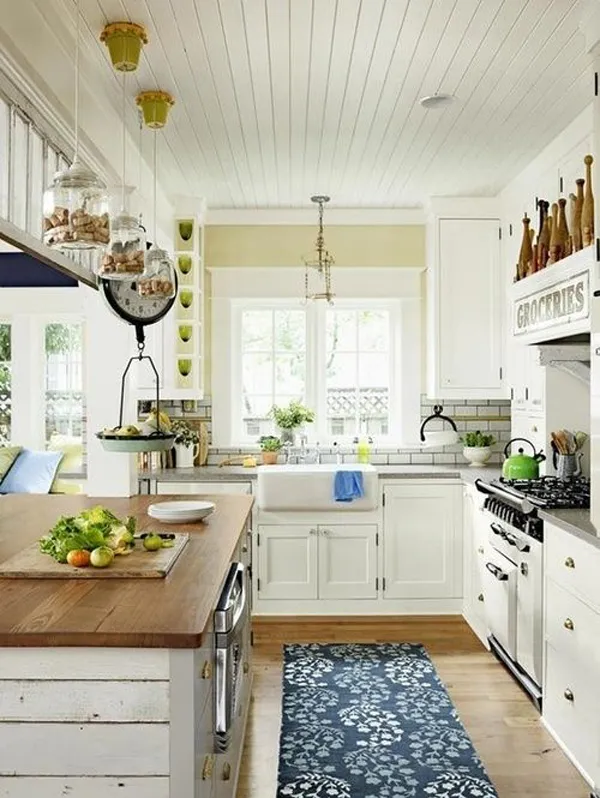
Embracing Farmhouse Kitchen Style
Farmhouse kitchen decor is more than just a trend; it’s a lifestyle. It’s about creating a space that feels warm, inviting, and effortlessly stylish. This design aesthetic celebrates the beauty of simplicity, the charm of rustic elements, and the comfort of a lived-in space. It’s a look that embraces imperfections and celebrates the character of a home. This style often incorporates natural materials, neutral colors, and vintage touches to create a cozy and welcoming atmosphere. With its emphasis on functionality and comfort, a farmhouse kitchen becomes the heart of the home, a place where family and friends gather, cook, and create lasting memories. Let’s explore how you can bring this timeless style to your own kitchen.
What Defines Farmhouse Kitchen Decor?
Farmhouse kitchen decor is characterized by a few key elements that set it apart from other design styles. At its core, this style is about creating a comfortable and functional space that feels lived-in and loved. It often incorporates natural materials like wood, stone, and metal, which add a touch of rustic charm. Colors are typically neutral, with a focus on whites, creams, grays, and other earthy tones to create a calming and inviting atmosphere. Vintage or antique elements are often incorporated, adding character and history to the space. Open shelving, apron-front sinks, and exposed beams are other defining features that contribute to the farmhouse aesthetic. Ultimately, the goal is to create a kitchen that feels welcoming, functional, and reflects the warmth and simplicity of country living.
Natural Elements in Farmhouse Kitchens

One of the hallmarks of farmhouse kitchen decor is the use of natural elements, which bring a sense of warmth, texture, and authenticity to the space. Wood is a central element, whether it’s in the form of exposed beams, rustic cabinets, or butcher block countertops. Stone, whether it’s used for flooring, backsplashes, or countertops, adds a touch of natural beauty and durability. Metal accents, such as iron or copper, can be incorporated through lighting fixtures, hardware, or cookware, adding a touch of industrial charm. Incorporating these natural elements not only enhances the visual appeal of the kitchen but also creates a more sustainable and eco-friendly space, connecting the interior with the beauty of the natural world. By embracing these elements, a farmhouse kitchen embodies a sense of groundedness and connection to the earth.
Wooden Accents
Wooden accents are essential to farmhouse kitchen decor, providing warmth, texture, and a rustic charm. Wooden elements can range from the cabinetry, which often features a natural wood finish or a distressed painted look, to the flooring, which might be hardwood or wide plank. Butcher block countertops are a classic choice, offering a functional and beautiful surface for food preparation. Open shelving made of wood provides a display space for dishes, cookbooks, and decorative items, adding to the lived-in feel. Wooden accents can also be incorporated through smaller details like cutting boards, serving utensils, and decorative bowls. The use of wood brings a sense of history and character to the kitchen, creating a space that feels both cozy and inviting. (farmhouse-kitchen-wooden-accents.webp)
Exposed Beams
Exposed beams are a signature feature in many farmhouse kitchens, adding architectural interest and a touch of rustic elegance. These beams, often made of wood, provide a visual focal point and contribute to the overall warmth and character of the space. They can be left in their natural state to showcase the wood’s grain and texture, or they can be painted to match the walls or ceiling, creating a more cohesive look. Exposed beams not only enhance the aesthetic appeal but can also provide structural support and contribute to the home’s overall sense of history. Their presence evokes the charm of old farmhouses and adds a unique touch to the kitchen design. The placement of these beams should complement the kitchen’s layout, enhancing its open and inviting atmosphere.
Adding Vintage Touches

Adding vintage touches is key to achieving an authentic farmhouse kitchen decor. Incorporating antique items and repurposed pieces adds character, history, and a sense of nostalgia to the space. This can include vintage kitchen scales, enamelware pots and pans, or antique signs. Old wooden furniture, such as a farmhouse table or a rustic cabinet, can serve as functional and decorative elements. You might find vintage or antique items at flea markets, antique stores, or online marketplaces. The inclusion of these pieces personalizes the space, adding a unique story to your kitchen. The beauty of farmhouse style is that it embraces imperfections and celebrates the charm of things with a history, creating a kitchen that feels warm and inviting.
The Charm of Open Shelving
Open shelving is a practical and stylish element that is commonly found in farmhouse kitchens. Instead of traditional upper cabinets, open shelves provide an opportunity to display dishes, glassware, cookbooks, and decorative items, adding visual interest and a sense of openness to the space. Open shelves often incorporate wood, matching the other wooden accents in the kitchen and creating a cohesive design. This feature not only enhances the aesthetic appeal but also provides easy access to frequently used items. When styling open shelving, it’s important to consider the balance of functionality and design. Choose a curated collection of items that are both practical and visually appealing, creating a space that is both beautiful and functional. (farmhouse-kitchen-open-shelving.webp)
Color Palette for a Farmhouse Kitchen
The color palette for a farmhouse kitchen is typically soft, calming, and inspired by nature. Neutral colors such as whites, creams, grays, and beiges form the foundation of the palette, creating a bright and airy atmosphere. These colors can be used on the walls, cabinets, and even the flooring. Earthy tones like soft greens, blues, and browns can be incorporated as accents through accessories, textiles, or painted furniture. Avoid overly bright or bold colors in favor of a more subdued and harmonious look. The goal is to create a space that feels welcoming, serene, and evokes a sense of calm. When selecting your color palette, consider the natural light in your kitchen and choose shades that will enhance its brightness and warmth. (farmhouse-kitchen-neutral-colors.webp)
Neutral Colors & Earthy Tones

Neutral colors and earthy tones are the cornerstone of the farmhouse kitchen palette, contributing to the overall sense of warmth and tranquility. Whites, creams, and soft grays create a bright and airy backdrop, making the kitchen feel larger and more inviting. These colors reflect light, creating a sense of spaciousness and cleanliness. Earthy tones like light browns, muted greens, and subtle blues can be introduced through accessories, fabrics, or painted furniture, adding depth and interest. These colors evoke a connection with nature, complementing the natural elements often found in a farmhouse kitchen. By keeping the color palette simple and cohesive, you create a harmonious and visually appealing space, perfect for cooking, gathering, and enjoying the comforts of home.
Textiles and Fabrics
Textiles and fabrics play a crucial role in adding softness, warmth, and personality to a farmhouse kitchen. Incorporating natural materials like linen, cotton, and burlap brings texture and a sense of rustic charm. Consider using these materials for curtains, dish towels, table runners, and even upholstered seating. Patterns such as checks, stripes, and floral prints can be incorporated, adding visual interest and a touch of vintage flair. The choice of fabrics should complement the overall color scheme and design aesthetic of the kitchen. Layering different textures and patterns can create a cozy and inviting atmosphere. By carefully selecting and incorporating textiles, you can add personality and comfort to your farmhouse kitchen. (farmhouse-kitchen-textiles.webp)
Accessorizing Your Farmhouse Kitchen
Accessorizing your farmhouse kitchen is all about adding those finishing touches that bring the space together and reflect your personal style. Choose items that are both functional and decorative, and that complement the overall aesthetic. Consider incorporating vintage or antique pieces, such as old scales, enamelware, or wooden utensils. Display cookbooks and kitchen gadgets on open shelving. Add a touch of greenery by incorporating fresh herbs or potted plants, bringing life and freshness to the space. Use mason jars for storage and display. Choose hardware that complements the overall style. The key is to create a space that feels both beautiful and practical, reflecting your unique personality and creating a welcoming heart of the home.
Choosing the Right Lighting

Lighting plays a vital role in setting the mood and enhancing the functionality of a farmhouse kitchen. Opt for fixtures that complement the overall design style, such as pendant lights, rustic chandeliers, and sconces. Choose lighting that provides both task lighting (for food preparation and cooking) and ambient lighting (to create a warm and inviting atmosphere). Consider using vintage-inspired light fixtures, such as those made of metal or glass. Layering different types of lighting, such as overhead lights, under-cabinet lights, and lamps, can create a versatile and well-lit space. The right lighting will not only improve the functionality of your kitchen but also enhance its aesthetic appeal, contributing to its overall farmhouse charm. (farmhouse-kitchen-lighting.webp)
Adding Greenery and Plants
Adding greenery and plants is a simple yet effective way to breathe life and freshness into your farmhouse kitchen. Incorporate a variety of plants, such as herbs, succulents, and leafy greens, to add color, texture, and a connection to nature. Fresh herbs are not only beautiful but also functional, as you can use them in your cooking. Place plants on windowsills, open shelves, or countertops. Use pots and planters made of natural materials such as terracotta or ceramic to complement the overall aesthetic. Adding greenery brings a sense of vibrancy and freshness to the space, creating a more inviting and comfortable atmosphere. It also connects your kitchen to the outdoors, enhancing the overall farmhouse feel. (farmhouse-kitchen-greenery.webp)
Top 7 Farmhouse Kitchen Decor Ideas to Implement
- Incorporate natural wood elements, such as exposed beams and butcher block countertops.
- Use a neutral color palette with whites, creams, and grays as the base.
- Add vintage touches with antique furniture, kitchenware, or signage.
- Install open shelving to display dishes, cookbooks, and decorative items.
- Choose lighting fixtures like pendant lights or rustic chandeliers.
- Incorporate textiles like linen and cotton through curtains, dish towels, and table runners.
- Add greenery with fresh herbs and potted plants.