Farmhouse Kitchen Decor Ideas
Farmhouse kitchen decor is a timeless style that evokes warmth, comfort, and a touch of rustic charm. It’s about creating a space that feels both inviting and functional, where family and friends can gather. This style emphasizes natural materials, a neutral color palette, and vintage accents, all of which contribute to a cozy and welcoming atmosphere. If you are looking to transform your kitchen, consider these seven tips to achieve the perfect farmhouse aesthetic.
Embrace Natural Materials
The foundation of farmhouse style lies in the use of natural materials. These elements bring texture, depth, and a sense of the outdoors into your kitchen, creating a connection to nature. Think about incorporating wood, stone, and other organic textures to bring the style to life. This emphasis on authenticity is what gives farmhouse kitchens their unique appeal, making them feel grounded and connected to the earth.
Wood Elements

Wood is a cornerstone of farmhouse design. Incorporate it through wooden cabinets, exposed beams, butcher block countertops, and rustic wooden tables. The warmth of wood adds character and a sense of history. Consider using reclaimed wood for a truly authentic touch. Different wood tones and finishes can add depth and visual interest to your kitchen, creating a space that feels both inviting and full of personality. Choose a wood that complements the overall color scheme to create a cohesive design.
Stone and Brick
Stone and brick provide a solid, enduring aesthetic to your farmhouse kitchen. A stone backsplash, brick walls, or a stone kitchen island can become focal points, adding a touch of rustic charm and visual interest. These materials bring a sense of permanence and natural beauty to the space. Consider using stone or brick to create a feature wall or to clad a kitchen island. The texture and variations in color that stone and brick offer make them ideal for achieving a genuine farmhouse aesthetic.
Textiles and Fabrics
Textiles play a crucial role in softening the space and adding warmth. Use natural fabrics like linen, cotton, and burlap for curtains, dish towels, and tablecloths. Patterned textiles, such as gingham or floral prints, can add a pop of color and personality. Consider adding upholstered chairs or a bench with a comfortable cushion. These elements provide comfort and add a layer of visual appeal. Fabrics will help in creating a cozy, lived-in feel that is essential to farmhouse design.
Neutral Color Palette

A neutral color palette is essential to farmhouse style. It provides a calming backdrop that allows other elements to shine. Think about incorporating whites, creams, grays, and soft beiges. This base creates a sense of airiness and light, making the kitchen feel larger and more inviting. These colors provide a versatile foundation, allowing you to experiment with pops of color through accessories and decor.
White Walls and Cabinets
White walls and cabinets are staples in farmhouse kitchens. They create a bright and clean look that is both timeless and versatile. White reflects light, making the space feel open and spacious. Consider different shades of white to add depth and interest. You can pair white walls with wooden cabinets or a white kitchen island, adding visual interest and providing contrast. The simplicity of white allows other design elements, such as natural materials and vintage accents, to stand out.
Touches of Color
While the neutral palette is key, adding touches of color can inject personality and warmth. Consider incorporating colors through accessories, textiles, and even small appliances. Soft blues, greens, and yellows work well in farmhouse kitchens. These colors can be introduced in dishware, artwork, or painted furniture. The use of color adds visual interest and complements the neutral base, creating a balanced and inviting space.
Vintage and Antique Accents

Vintage and antique accents are essential for capturing the charm of farmhouse style. Incorporate items like vintage scales, antique cutting boards, and old-fashioned kitchen utensils. These pieces add character and tell a story. Consider visiting antique shops or flea markets to find unique treasures. These vintage elements provide authenticity and help to create a lived-in, welcoming atmosphere.
Furniture
Farmhouse furniture is characterized by its rustic charm and functionality. A large farmhouse table with mismatched chairs is a perfect example. Consider incorporating a kitchen island with a butcher block top or a vintage-style hutch to display your favorite items. Choose furniture pieces that are comfortable, durable, and reflect the overall aesthetic of the kitchen. The right furniture can transform your kitchen into a welcoming space.
Accessories
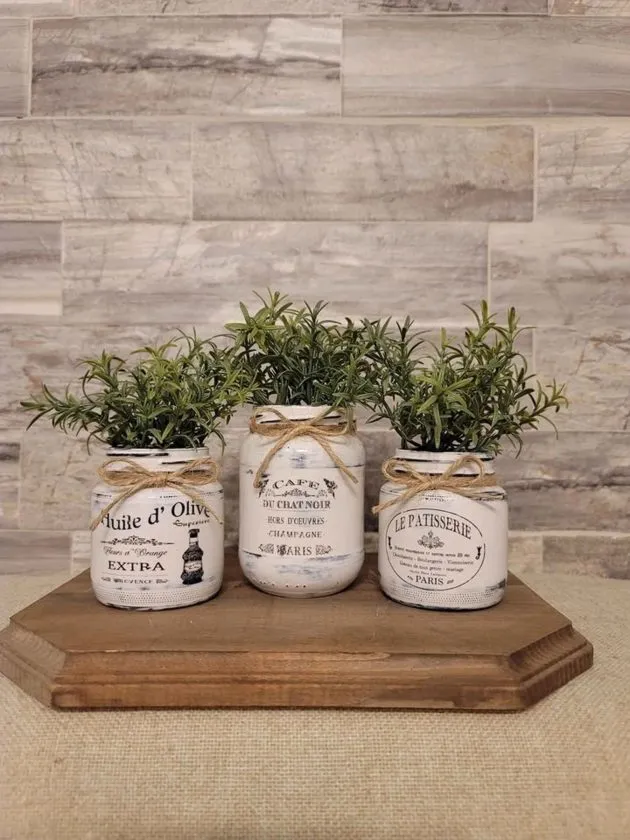
Accessories are vital in farmhouse kitchens. Display vintage signs, mason jars, and enamelware. Use open shelving to showcase your collection of dishware or cookbooks. These accessories add personality and help to create a cozy atmosphere. The right accessories tie the entire design together. They should be chosen carefully to complement the overall design scheme and enhance the character of your kitchen.
Open Shelving

Open shelving is a practical and aesthetically pleasing element in farmhouse kitchens. It provides a space to display your favorite dishes, cookbooks, and decorative items. This design feature adds visual interest and makes items easily accessible. Consider using reclaimed wood for your shelves. Open shelving also encourages you to keep your kitchen organized. It adds a rustic touch to the design.
Functionality and Practicality
Farmhouse design isn’t just about aesthetics; it’s also about functionality. A well-designed farmhouse kitchen is both beautiful and practical. Everything should have its place, and the layout should facilitate ease of use. Consider how you use your kitchen and design it to meet your needs. This blend of beauty and practicality is what makes farmhouse kitchens so appealing.
Storage Solutions
Effective storage is crucial in any kitchen. Incorporate a variety of storage solutions, such as drawers, cabinets, and pantries, to keep your kitchen organized. Consider using baskets and jars for storing dry goods and other kitchen essentials. Maximize space by utilizing the vertical space with tall cabinets or shelves. Good storage solutions will help maintain a clutter-free and efficient kitchen.
Lighting

Lighting plays a significant role in creating the desired atmosphere. Choose fixtures that complement the farmhouse aesthetic, such as pendant lights, chandeliers, and sconces. Consider using dimmer switches to adjust the lighting according to your needs. Layering different types of lighting, including task, ambient, and accent lighting, is essential to create a well-lit and welcoming space. The right lighting can significantly improve the functionality and appearance of your kitchen.
Consider the Size
When designing your farmhouse kitchen, consider the size of your space. In a small kitchen, opt for lighter colors and avoid overcrowding. Utilize open shelving to make the space feel bigger. In a large kitchen, you can experiment with a darker color palette and larger furniture pieces. Always consider the layout of your kitchen to ensure that it is functional and comfortable. Tailoring your design to the size of your kitchen will ensure a balanced and aesthetically pleasing outcome.
Transforming your kitchen into a farmhouse haven involves a thoughtful blend of natural materials, a neutral color palette, vintage accents, and a focus on functionality. With these tips, you can create a space that is not only beautiful but also welcoming and practical. Embrace the charm of farmhouse style and create a kitchen you’ll love for years to come.