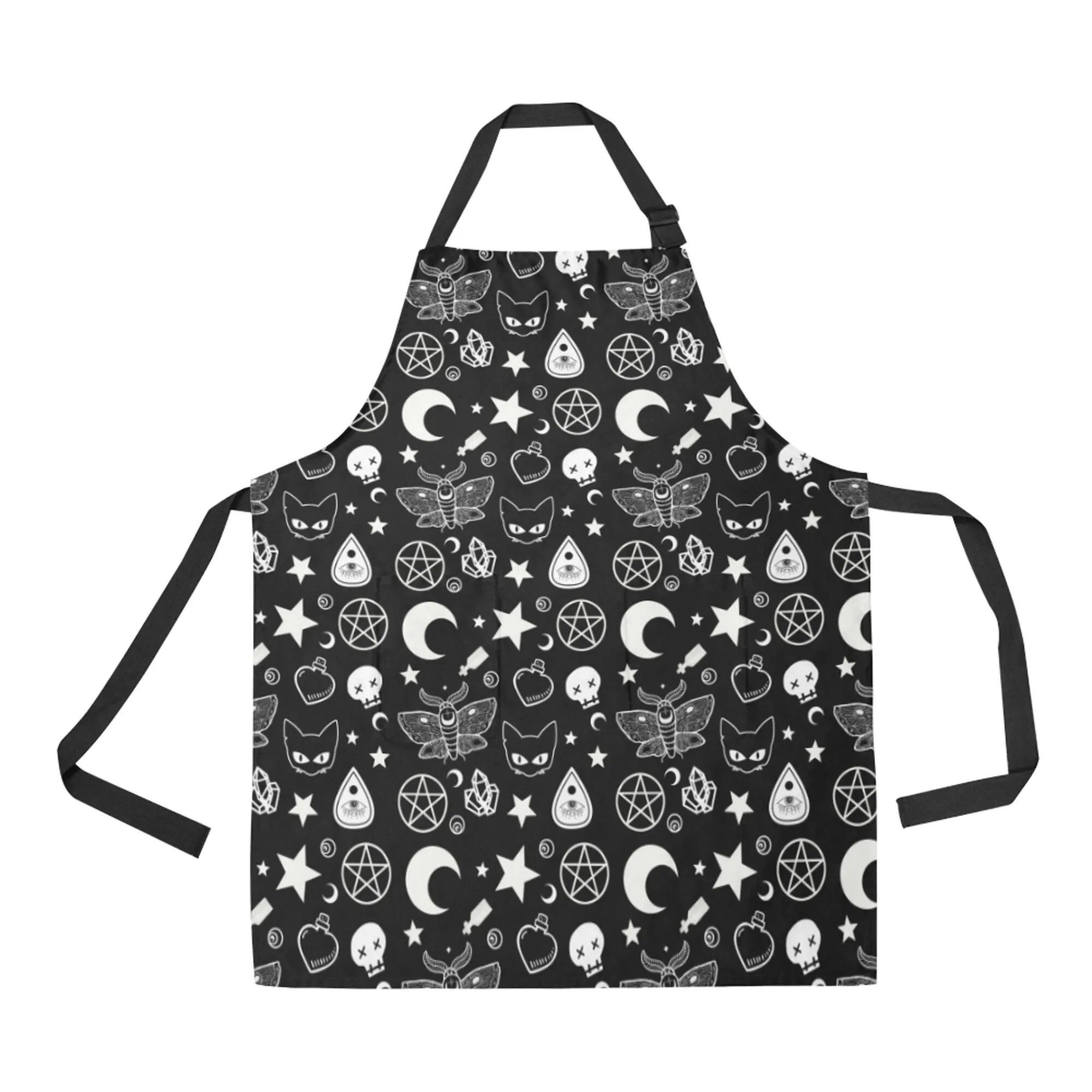
Embracing the Gothic Kitchen Aesthetic
Transforming your kitchen into a gothic sanctuary is a captivating journey, evoking an atmosphere of mystery, elegance, and dramatic flair. This style, characterized by its dark, rich color palettes, ornate detailing, and a touch of the macabre, allows for a uniquely expressive space. Unlike the minimalist or bright kitchens prevalent today, a gothic kitchen makes a bold statement. It is a celebration of history, artistry, and a willingness to embrace the unconventional. This guide will help you navigate the key elements to successfully bring this alluring aesthetic into your home, making your kitchen a space of both beauty and intrigue. Dive into the world of gothic kitchen decor and discover how you can create a truly unforgettable culinary space.
Understanding the Gothic Style
The gothic style, originating from medieval architecture, is immediately recognizable through its distinctive characteristics. Think of grand cathedrals with pointed arches, intricate stained-glass windows, and soaring ceilings. This aesthetic translates into interior design through the use of dramatic lighting, rich textures, and a focus on historical details. It’s a style that values craftsmanship, historical accuracy, and a sense of storytelling. The gothic kitchen embraces these principles, creating a space that feels both luxurious and evocative. It’s a chance to create a space that tells a story, bringing in elements of the past while maintaining functionality for the modern home.
Key Elements of Gothic Design

Key elements define the gothic style, crucial to achieving the desired aesthetic. Dark, moody color palettes are essential, often incorporating deep reds, blacks, purples, and forest greens. Intricate details, such as pointed arches, elaborate moldings, and carved woodwork, are also characteristic. Texture plays a vital role, with materials like stone, wood, and velvet used to create visual and tactile richness. The gothic style also emphasizes dramatic lighting, typically through chandeliers, candelabras, and sconces. Accessories, like antique mirrors, wrought iron details, and vintage artwork, complete the look, ensuring every detail contributes to the overall atmosphere of elegance and mystery. The gothic style invites you to create a space that is both visually stunning and deeply personal.
Top 5 Tips for Gothic Kitchen Decor
Tip 1 Dark and Moody Color Palette
A dark and moody color palette is the cornerstone of a gothic kitchen. Think of deep, saturated hues like charcoal gray, midnight blue, burgundy, or even a rich, forest green. These colors create an atmosphere of sophistication and mystery, setting the tone for the entire space. A dark color palette adds depth and dimension, making the kitchen feel both intimate and grand. Combining dark colors with strategic lighting adds the drama that is core of the gothic style. When choosing colors, consider the natural light in your kitchen and how it interacts with the shades you choose. A well-executed dark palette sets the stage for the rest of the gothic elements to shine.
Choosing the Right Paint Colors

Selecting the right paint colors is crucial to creating the desired ambiance. Consider using matte or eggshell finishes to enhance the depth and richness of the colors. These finishes absorb light, adding to the overall moodiness. When choosing, consider the size of your kitchen and the amount of natural light it receives. Darker colors can make a small kitchen feel even smaller, so balance is key. Experiment with paint swatches and observe how the colors appear at different times of the day to ensure the final result is exactly what you envision. Don’t be afraid to embrace the darkness and find the perfect shades that speak to your personal gothic style.
Incorporating Dark Cabinetry and Fixtures
Dark cabinetry serves as a key design element. Opt for cabinets in shades of black, deep gray, or even a dark, stained wood. If painting your cabinets, choose a high-quality paint that provides excellent coverage and durability. For fixtures, select hardware in antique brass, wrought iron, or other dark metallic finishes. These finishes contrast beautifully against the dark cabinetry and add a touch of elegance. Consider adding details like ornate pulls, knobs, and hinges to further enhance the gothic aesthetic. The interplay of dark cabinets and fixtures creates a cohesive look, grounding the space and making a bold design statement.
Tip 2 Antique and Ornate Details
Antique and ornate details add a layer of history and sophistication to your gothic kitchen. The inclusion of vintage accessories, intricate hardware, and dramatic lighting choices can bring the space together in an exciting way. Think of details as jewelry to add elegance to your Gothic Kitchen space, so make the most of them!
Adding Vintage Accessories

Vintage accessories bring character and personality to the gothic kitchen. Explore antique stores and flea markets for items that evoke a sense of history and intrigue. Consider adding an antique mirror with an ornate frame, vintage candelabras, or even a vintage apron to add personality. Vintage cookbooks, antique dishware, or a collection of apothecary bottles can also add to the gothic aesthetic. Displaying these items strategically will not only add visual interest but also enhance the overall atmosphere, making the kitchen feel like a curated space.
Selecting Ornate Hardware and Lighting
Ornate hardware and lighting are essential elements. Choose cabinet hardware in dark, metallic finishes, and opt for intricate designs, such as gothic-style pulls or knobs. For lighting, incorporate a dramatic chandelier over your kitchen island. Wall sconces and pendant lights with detailed metalwork or dark, elegant shades can enhance the overall mood. Consider using dimmer switches to control the intensity of the light, creating a more intimate and atmospheric space. The selection of hardware and lighting will significantly impact the overall gothic feel.
Tip 3 Texture and Materials
Texture and materials are critical for adding depth and visual interest in a gothic kitchen. The use of stone, wood, and metal, coupled with rich fabrics, can create a multi-sensory experience. It’s about layering different elements to create a sense of luxury and visual interest that is core to the gothic aesthetic. When you consider the materials and textures, the overall atmosphere of your kitchen will be greatly enhanced.
Using Stone, Wood, and Metal

Incorporate materials like stone, wood, and metal into your kitchen design. Stone countertops, such as granite or marble, can add a touch of elegance and natural texture. Dark-stained wooden cabinets or exposed beams can create a sense of warmth and historical depth. Use metal accents like wrought iron details on your lighting fixtures or decorative elements. The combination of these materials creates a rich, tactile experience. Textural variety is crucial for the gothic style, as it engages the senses and adds a layer of visual complexity.
Incorporating Velvet and Damask
Adding velvet and damask fabrics to your kitchen will introduce a touch of luxury and softness. Consider using velvet curtains or seat cushions. Damask patterns on your kitchen decor will add elegance and sophistication. The use of velvet and damask can bring a sense of opulence, contrasting with the harder materials and adding visual interest. Incorporating these textures adds to the overall feeling of richness and refinement, perfectly complementing the darker color palette and ornate details.
Tip 4 Dramatic Lighting
Dramatic lighting is essential for setting the mood in a gothic kitchen. It’s not just about illumination but also about creating an atmosphere of mystery and elegance. Consider the interplay of light and shadow when planning your lighting scheme, and choose fixtures that complement the overall aesthetic. By using dramatic lighting, you can transform your kitchen into a captivating space, perfect for both cooking and entertaining.
Choosing Chandeliers and Sconces

Chandeliers and wall sconces are key elements in gothic kitchen lighting. Opt for chandeliers with ornate details, such as crystal accents or dark metal frames. Choose wall sconces with intricate designs that complement the overall style. Consider using candelabras on your countertops or dining table to create a soft, romantic glow. The right selection of chandeliers and sconces, with their shadows and sparkle, will significantly enhance the gothic ambiance, adding to the overall mood and elegance of the space. Consider using dimmer switches to control the light intensity.
Using Dimmer Switches and Candles
Using dimmer switches and candles is a great way to control the lighting in a gothic kitchen. Dimmer switches allow you to adjust the intensity of your lighting, from bright task lighting to a soft, ambient glow. Candles create a warm, intimate atmosphere, adding a touch of romance and mystery. Place candles on your countertops, dining table, and shelves to enhance the ambiance. The combination of dimmer switches and candles allows you to create the perfect mood for any occasion, making your gothic kitchen a truly enchanting space.
Tip 5 Statement Pieces
Statement pieces are used to add personality and character. Gothic furniture and unique artwork are essential to achieving the desired aesthetic. They add a distinctive touch and elevate the space, making your kitchen a true reflection of your personal style. These elements help create a unique and captivating space.
Incorporating Gothic Furniture

Incorporating gothic furniture can add a sense of grandeur and history to your kitchen. Consider adding a dining table with intricate carvings or a gothic-style island. Antique chairs with velvet upholstery or a vintage bar cart can add character and charm. Choose furniture pieces with dark wood finishes and ornate details to enhance the gothic aesthetic. Incorporating gothic furniture creates a space that feels both elegant and historically significant. It’s about selecting pieces that reflect the gothic style.
Adding Unique Artwork and Decor
Adding unique artwork and decor can personalize your gothic kitchen. Look for artwork with dark, romantic themes. Incorporate antique mirrors with ornate frames or vintage clocks. Display a collection of gothic-inspired figurines or sculptures. The right artwork and decor will add a touch of individuality and character, making the kitchen your own. The choice of art and decor will help you reflect your interests and create a visually stunning space. Consider including items that reflect your personal style and preferences.
Conclusion
Creating a gothic kitchen is a rewarding project that allows you to express your unique style and appreciation for history and artistry. By following these top 5 tips, you can transform your kitchen into an elegant and mysterious space. Embrace the dark color palettes, incorporate antique details, experiment with textures and materials, incorporate dramatic lighting, and select statement pieces to create a truly unforgettable culinary space. So, dare to embrace the darkness, let your imagination run wild, and enjoy the process of bringing your gothic kitchen dreams to life. The result will be a kitchen that is not only functional but also a beautiful reflection of your unique style and personality.