Embracing the Gothic Kitchen Decor Vibe
Gothic kitchen decor is a captivating blend of dramatic aesthetics and vintage charm. It’s a style that leans into the beauty of dark hues, ornate details, and a touch of mystery, offering a unique alternative to contemporary minimalist designs. Creating a Gothic kitchen is about more than just dark paint colors and heavy furniture; it’s about crafting a space that tells a story, evoking a sense of history and elegance. This style allows homeowners to express their individuality, resulting in kitchens that are both visually stunning and intensely personal. The key is to strike a balance between the dramatic elements of Gothic design and the practical needs of a modern kitchen, ensuring that the space is functional as well as beautiful. The goal is to create a space that feels both luxurious and welcoming, a place where you can enjoy cooking, entertaining, and simply spending time.
The Allure of 1950s Gothic Kitchens
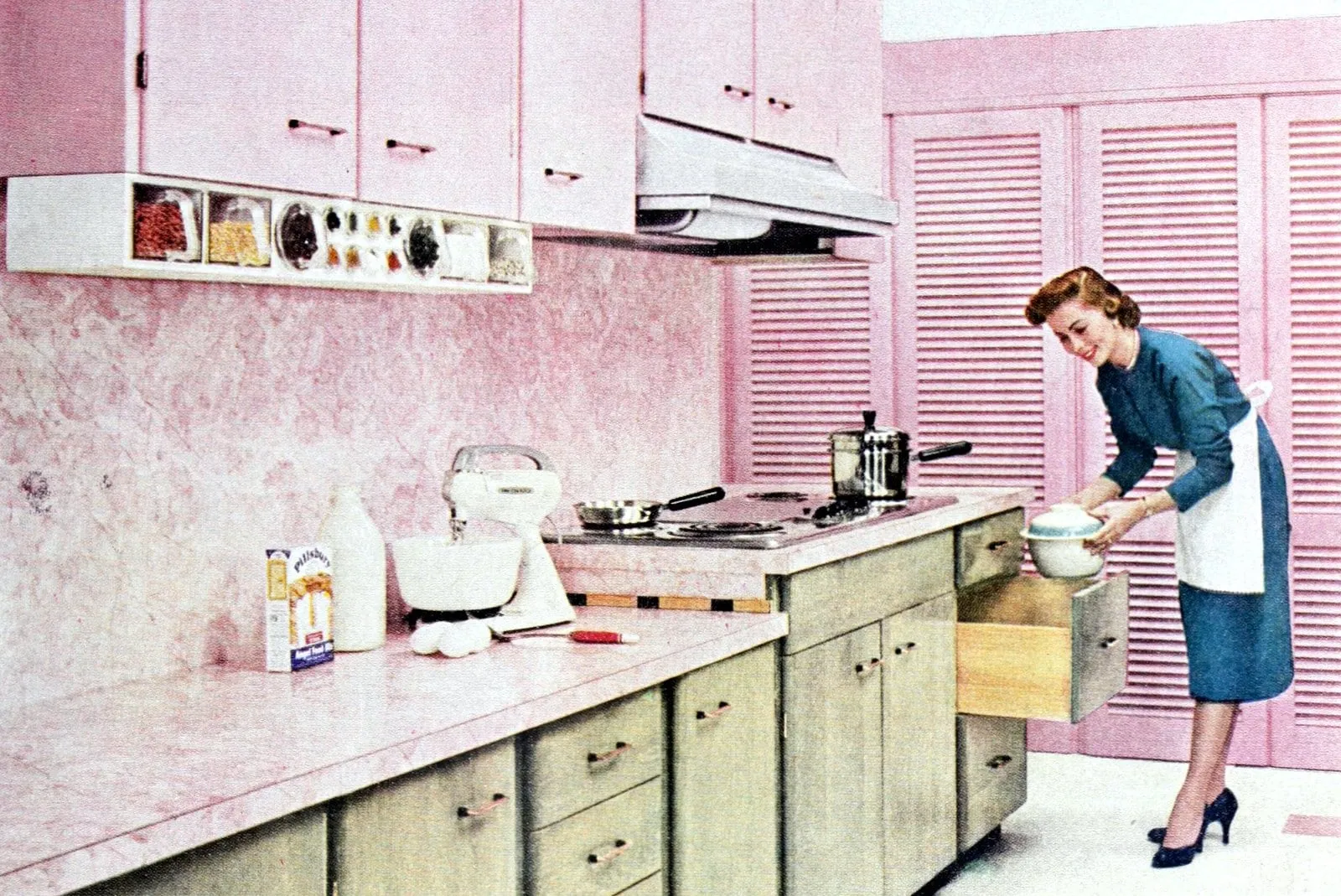
The 1950s, a period known for its optimistic outlook and innovative designs, offers a fascinating lens through which to explore Gothic kitchen decor. While the mid-century era is often associated with bright colors and streamlined appliances, Gothic influences can still be found, albeit in a more subtle form. Think of dark wood cabinetry, ornate hardware, and the use of rich, deep colors like burgundy or forest green. The kitchens of this era often featured bold, geometric patterns and statement lighting, both of which can be easily adapted to fit a Gothic aesthetic. The goal is to bring back the feeling of classic kitchen with a touch of the past, adding a sense of history and elegance. Recreating a 1950s Gothic kitchen is about paying homage to the architectural elements that are not often found on the market today. By carefully selecting materials, fixtures, and accessories, it’s possible to craft a kitchen that beautifully combines the charm of the past with the practicality of the present, resulting in a space that is both stylish and functional.
Key Elements of Gothic Kitchen Decor

Several key elements define the Gothic kitchen decor style, providing a roadmap for creating a cohesive and impactful space. First and foremost is the emphasis on dark, rich colors; think deep reds, blacks, and emerald greens. These colors are the foundation of the Gothic aesthetic, creating a sense of drama and sophistication. The use of natural materials, such as dark wood cabinets, stone countertops, and wrought iron accents, adds to the overall feeling of opulence and historical depth. Intricate details, like arched doorways, detailed crown molding, and ornate cabinet hardware, are essential elements of the Gothic design. The addition of vintage accessories, such as antique candlesticks, gothic art, and vintage china, further enhances the vintage vibe and adds to the kitchen’s unique character. Lighting also plays a crucial role, with the use of chandeliers, pendant lights, and strategically placed task lighting to create both ambiance and functionality. By embracing these elements, you can bring the Gothic aesthetic to life.
Color Palette for a Gothic Kitchen
The color palette is the heart of Gothic kitchen design, setting the tone and creating the desired atmosphere. The most common palette includes a mix of dark, moody colors, often used in combination to create depth and visual interest. This can be done by choosing a base of dark walls, and using a dark or light accent color to brighten up the look. The color palette will also allow for a blend of rich and vivid colors to be a part of the design. The goal is to bring a new depth to the room through the design and by giving the room the feel of the past.
Dark and Moody Colors
Dark and moody colors are the cornerstone of a Gothic kitchen, creating a sense of depth and drama. Deep hues like charcoal gray, navy blue, and even black can be used on walls, cabinets, or both, creating a striking backdrop for other design elements. These colors can be balanced with lighter shades to avoid overwhelming the space. When selecting dark colors, consider their undertones; warm undertones (like those found in burgundy or deep brown) can bring a sense of warmth and richness, while cool undertones (such as those in dark blues or greens) can create a more sophisticated and mysterious atmosphere. It’s important to test colors in your kitchen to see how they appear in different lighting conditions, as natural light can significantly impact the overall feel of the space. Make sure that the dark colors are matched up to the rest of the design.
Accent Colors

Accent colors are used to add pops of contrast and visual interest, preventing the space from feeling too dark or monotonous. Consider incorporating colors such as deep reds, emerald greens, or even purples, which are commonly associated with Gothic design. These colors can be used on smaller elements like cabinet hardware, decorative accessories, or even a feature wall. Metallic accents, such as gold, silver, or bronze, are also excellent choices, adding a touch of luxury and sophistication. The metallic accents add a layer of texture and add to the detail work of the kitchen. The goal is to use accent colors sparingly, ensuring that they complement the overall dark palette and add to the Gothic vibe. The goal is to make sure the accent color highlights the other elements.
Furniture Choices for a Gothic Kitchen
Furniture choices play a significant role in establishing the Gothic ambiance, adding to the room’s character and functionality. The focus should be on selecting pieces that are both visually appealing and practical for everyday use. The type of furniture that is added can make or break the look of the kitchen and it should be thoroughly selected. The goal is to look for furniture that matches the other design elements of the kitchen and is easy to look at.
Selecting the Right Cabinets
Cabinets are a defining feature in a Gothic kitchen, providing both storage and style. Opt for dark-stained wood cabinets, such as mahogany or walnut, or consider painted cabinets in deep, moody colors. The style of the cabinets can range from traditional raised-panel doors to more modern, flat-panel designs with ornate hardware. Details like carved accents, arched doors, or intricate molding can enhance the Gothic aesthetic. The hardware on the cabinets is also an essential element, so selecting hardware that matches the other elements is important. The goal is to create a sense of luxury and sophistication, reflecting the historical influences of the Gothic design while also meeting modern needs. The goal is to make sure the cabinets match with the countertop as well.
Choosing Countertops

Countertops should complement the cabinetry and other design elements, enhancing the overall Gothic aesthetic. Stone countertops, such as granite or marble, are excellent choices, providing both durability and a touch of luxury. Dark-colored stone countertops, such as those with black or deep gray veining, can be particularly striking, creating a dramatic contrast with lighter cabinets or walls. Consider the edge profile of the countertops; a beveled or ogee edge can add to the traditional, ornate feel of a Gothic kitchen. The goal is to select countertops that are both beautiful and practical. It’s important to take into consideration the function of the kitchen when picking a countertop. You should select one that fits your needs, while also allowing you to enjoy a beautiful gothic kitchen.
Lighting Fixtures for a Gothic Kitchen
Lighting is crucial in creating the atmosphere, and Gothic kitchens should have a variety of fixtures to accommodate different moods and activities. The goal of the lighting is to make sure the kitchen is both well lit and styled well. This can be done by selecting lighting that accentuates the other design elements of the kitchen. There are many different types of lighting that can be used, and should be used to create a well balanced feel in the kitchen.
Chandeliers and Pendant Lights
Chandeliers and pendant lights are essential for creating a focal point and adding to the overall drama of the Gothic kitchen. Choose fixtures with ornate details, such as wrought iron frames, crystal accents, or antique-inspired designs. Position a statement chandelier above the kitchen island or dining area to create a focal point. Consider pendant lights with a more modern interpretation of Gothic style, such as those featuring dark metal finishes or geometric shapes, to add a touch of contemporary flair. The goal is to bring the gothic feeling to the kitchen while also adding the lighting that you want to the room.
Task Lighting

Task lighting is essential for functionality and safety, especially in a kitchen with a dark color palette. Install under-cabinet lighting to illuminate countertops, ensuring sufficient light for food preparation and other tasks. Recessed lighting or track lighting can be used to supplement the overall lighting scheme, providing even illumination throughout the space. Consider using dimmer switches to control the intensity of the lighting, allowing you to adjust the ambiance to suit different moods and activities. The goal is to make the room functional and well lit, but also keep the Gothic feel.
Decorating the Gothic Kitchen
Decorating the Gothic kitchen is about adding the finishing touches that complete the space, ensuring it feels unique and reflective of your style. The room should have a unique character that adds to the gothic feel. This can be done by choosing elements that match the other aspects of the kitchen. When you put it all together, the kitchen should feel complete and ready for everyday use.
Adding Gothic Accessories
Accessories play an essential role in bringing the Gothic aesthetic to life. Look for antique candlesticks, ornate mirrors, and gothic art to adorn your countertops and walls. Incorporate vintage elements like apothecary jars, antique scales, and vintage china to add to the retro charm. Consider adding wrought iron accents, such as pot racks or decorative shelves, to enhance the dark and dramatic feel. These accessories should be chosen with care, each one adding to the overall character of the space. The accessories you choose will truly give the kitchen its gothic feel. These should be selected to match the rest of the design elements, while also showcasing your own personal touch to the room. By doing so, the gothic kitchen can become a welcoming place for anyone.
Incorporating Vintage Elements

Incorporating vintage elements is key to achieving a truly authentic 1950s Gothic kitchen. Source vintage appliances, such as a retro refrigerator or oven, to add a touch of nostalgia. Look for antique furniture, such as a vintage dining table or chairs, to create a dedicated dining area. Incorporate vintage textiles, such as lace curtains, patterned wallpaper, or vintage dish towels, to enhance the retro vibe. When it comes to details, consider using vintage hardware on your cabinets or drawers, as well as vintage light switches or outlet covers. Incorporating vintage elements is about embracing the unique design of the era, resulting in a space that feels authentic and timeless. The goal is to bring back the charm of the past.
Maintaining the Gothic Kitchen Style
Maintaining the Gothic kitchen style requires consistent effort and attention to detail. The room should be maintained to fit your style choices. Keep the design balanced by incorporating dark and light colors, vintage elements, and also keeping the furniture clean. To ensure that the kitchen feels clean, ensure regular cleaning and upkeep of your kitchen. Dusting, polishing, and wiping down surfaces will keep the kitchen looking its best. Regularly inspect the design to ensure it is up to par. The goal is to maintain the Gothic Kitchen Style to ensure you are satisfied with your kitchen. This way, you can embrace the beauty of the Gothic kitchen.