Embracing Gothic Kitchen Decor
Gothic kitchen decor is an intriguing style choice for those who appreciate a touch of mystery, drama, and history in their homes. It’s a design that moves away from the minimalist or overly bright trends and embraces the dark, the ornate, and the evocative. If you’re drawn to the idea of creating a kitchen that feels like a timeless space, with a hint of gothic elegance, this guide will unveil the secrets to achieving this captivating look. This isn’t just about decorating; it’s about creating an atmosphere that speaks to the soul, where every element tells a story, and the space itself becomes a statement. Prepare to transform your kitchen into a stunning and memorable space that perfectly reflects your unique taste.
The Allure of Gothic Kitchen Design
Gothic design is a blend of history, artistry, and a touch of the macabre, making it an alluring choice for those who want to create a space that stands out. Unlike more common kitchen styles, a gothic kitchen has a timeless quality, drawing inspiration from the architecture and aesthetics of the medieval period. The allure lies in its rich textures, dramatic lighting, and the way it can transport you to a different era. When done correctly, a gothic kitchen offers an escape from the mundane, providing a space that is both functional and visually captivating. The secret to achieving this look is balancing the key gothic elements, such as color, architecture, lighting, and furnishings, to create a cohesive and inviting environment.
Secret 1 Dark & Moody Color Palette
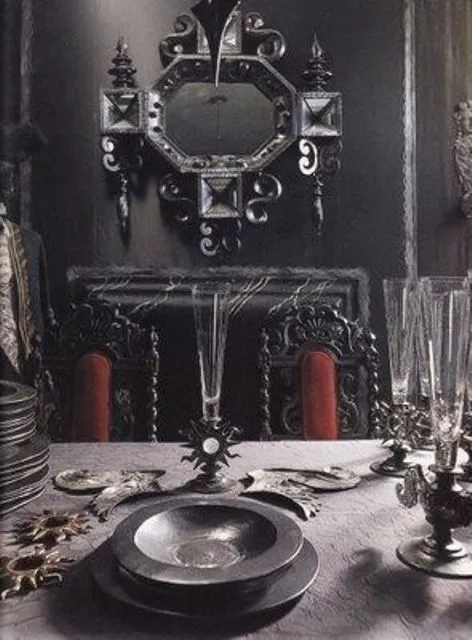
The foundation of a gothic kitchen lies in its color palette. Dark and moody colors are essential to set the tone. Think deep hues that evoke a sense of mystery and elegance. These colors create a dramatic backdrop that allows other gothic elements to shine. Colors like deep charcoal grays, rich blacks, and dark forest greens are popular choices. However, don’t be afraid to incorporate accents of deep reds, purples, or even a touch of gold to add some visual interest. The key is to use these dark colors as the base, providing a sense of depth and sophistication. These colors create the perfect moody backdrop for any gothic kitchen.
Deep Hues for Gothic Kitchens
When it comes to deep hues, the possibilities are vast. Black is a timeless choice that can make a bold statement. Charcoal grays can provide a softer, yet equally dramatic effect. Dark forest greens bring an element of nature and depth to the space. You can also experiment with deep blues, such as navy or midnight blue, or even incorporate shades of burgundy or plum for a touch of richness. The choice of deep hues depends on your personal preference and the overall atmosphere you want to create. Remember, these colors set the stage for the other elements of your gothic kitchen, so choose them carefully.
Choosing the Right Colors
The right colors go beyond simply selecting dark shades. It’s about finding the right balance and ensuring the colors complement each other. Consider using a primary color as the base, like a deep gray or black, and then introduce accent colors in smaller doses. For example, you might use gold or brass hardware and lighting fixtures to complement a black cabinetry, or incorporate a rich red backsplash to add a pop of color against a charcoal gray wall. When choosing colors, it’s also important to consider the natural light in your kitchen. If your kitchen has limited natural light, you might want to incorporate lighter shades to balance the darkness and prevent the space from feeling too enclosed. The goal is to create a harmonious color scheme that enhances the gothic aesthetic.
Secret 2 Architectural Elements

Architectural details are central to capturing the essence of a gothic kitchen. Incorporating elements reminiscent of Gothic architecture is one of the most effective ways to achieve the desired look. Think about the grand cathedrals and castles that define the gothic style; these structures have a lasting effect on design. These elements not only add visual interest but also create a sense of grandeur and historical depth, transforming your kitchen into a space that feels truly unique and memorable. Incorporating the right architectural details is a must for any true gothic kitchen.
Gothic Archways and Details
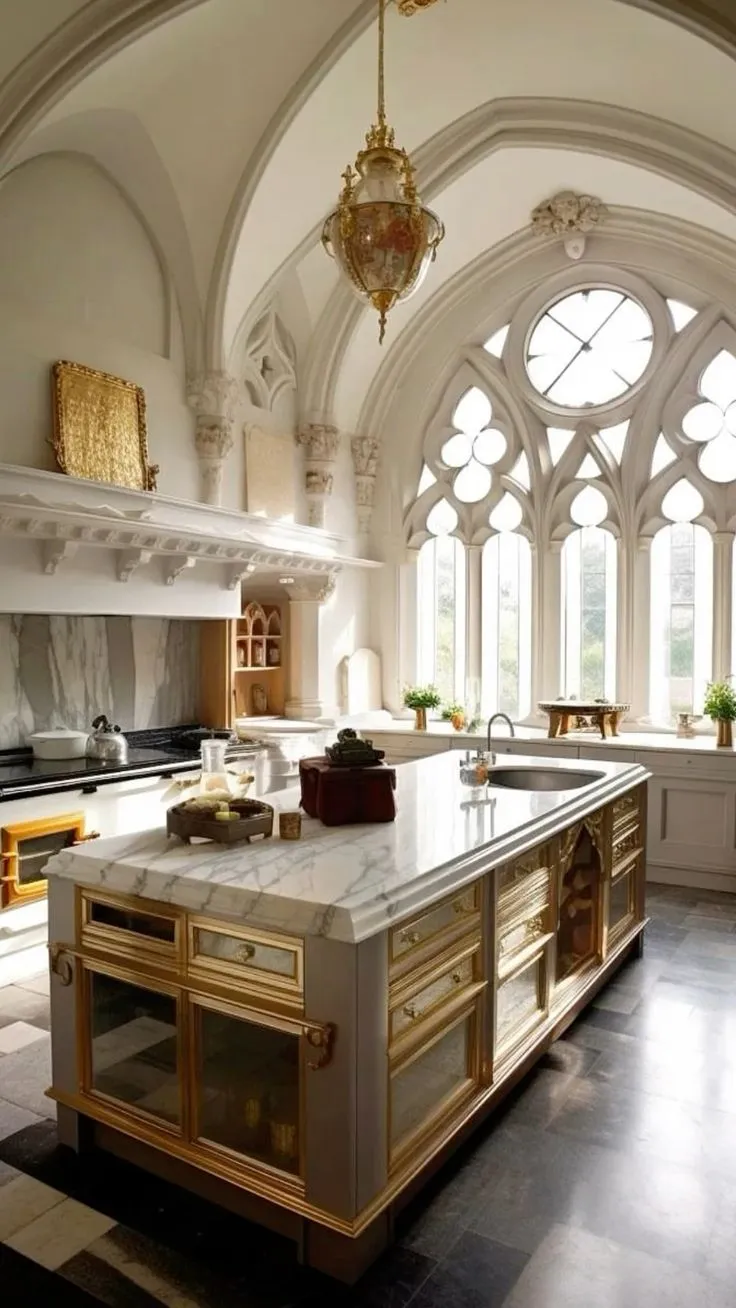
One of the most recognizable architectural elements of the gothic style is the pointed arch. Consider incorporating arches into your kitchen design, whether it’s in the doorway, over windows, or integrated into the cabinetry design. Even subtle touches, such as arched cabinet doors or an arched backsplash, can significantly enhance the gothic feel. Other details to consider include decorative moldings, ornate trim, and textured surfaces. The goal is to recreate the characteristic look of Gothic structures. These details add character and depth, making the kitchen look more than just a functional space; it becomes a statement of style.
Adding Architectural Interest
Beyond arches and decorative moldings, there are several ways to add architectural interest to your kitchen. Consider adding a coffered ceiling or a faux-beam design to mimic the structure of Gothic cathedrals. You can also use wainscoting or paneling on the walls to add texture and visual depth. Another option is to incorporate a large kitchen island with intricate carvings or detailing. When incorporating architectural elements, it’s important to maintain a balance and avoid overdoing it. The goal is to create a space that is both visually stunning and functional, with architectural features that complement the overall design.
Secret 3 Dramatic Lighting

Lighting plays a vital role in setting the mood and atmosphere of a gothic kitchen. Proper lighting is essential to highlight the architectural details, create a sense of depth, and bring the gothic aesthetic to life. The choice of lighting fixtures and how they are used can significantly influence the overall feel of the space. The right lighting can create a warm, inviting, and slightly mysterious environment, enhancing the beauty of the dark hues and ornate details that define the gothic style.
Types of Gothic Lighting
Chandeliers are a classic choice for a gothic kitchen. Choose a chandelier with a wrought iron frame, intricate detailing, or crystal accents to evoke the aesthetic. Sconces are another excellent option, especially for adding ambient lighting. Look for sconces with a dark finish, ornate designs, or candle-like bulbs to create a dramatic effect. Pendant lights can be used over the kitchen island or dining area. Select pendant lights with a gothic-inspired design, such as a cage-like structure or a dark metal finish. In addition to these, consider incorporating recessed lighting to highlight specific areas or features within the kitchen, adding layers to your lighting scheme.
Creating Atmosphere with Lighting
When planning your lighting scheme, it’s important to consider the placement, intensity, and color temperature of the lights. Layer your lighting by combining ambient, task, and accent lighting to create a balanced and functional space. Dimmer switches are a must-have, as they allow you to adjust the lighting based on the time of day or the mood you want to create. Choose warm white bulbs to create a cozy and inviting atmosphere, and avoid harsh or bright lighting. You can also use candles or lanterns to add a touch of romance and mystery to your gothic kitchen. The key is to create a lighting scheme that enhances the dark colors, highlights the architectural details, and creates the desired ambiance.
Secret 4 Ornate Furnishings and Hardware

The selection of ornate furnishings and hardware is crucial in transforming your kitchen into a gothic haven. Every element, from the furniture to the smallest details, should reflect the style’s opulent and dramatic nature. These details will add a layer of depth and richness, fully embodying the gothic aesthetic. It is these intricate details that make the gothic kitchen stand out. The use of the right furnishings and hardware elevates the overall look.
Selecting Gothic-Inspired Furniture
When choosing furniture, select pieces that reflect gothic design principles. Look for furniture with dark wood finishes, intricate carvings, and a touch of the antique. A large, sturdy dining table with ornate legs can serve as the focal point of your kitchen. Consider adding a display cabinet with glass doors to showcase your finest china or other decorative items. Upholstered chairs with dark, luxurious fabrics can also add a touch of elegance. Remember to choose furniture that is both functional and aesthetically pleasing, as each piece contributes to the overall gothic atmosphere.
Details in Hardware & Accessories
The details, especially the hardware, play a significant role in the gothic style. Opt for hardware with a dark finish, such as wrought iron, bronze, or antique brass. These finishes add a touch of drama and elegance to your kitchen. Consider cabinet knobs and pulls with intricate designs. Choose hardware that complements the overall aesthetic, with details like fleur-de-lis or gothic-inspired shapes. Accessories also make a difference. Incorporate items such as candelabras, ornate mirrors, and decorative plates to complement the style and add character to your kitchen. These details help make the gothic kitchen unique.
Secret 5 Texture & Material Selection

Texture and material selection are crucial for completing the gothic look. The use of various materials and textures adds depth and character, enhancing the overall atmosphere. Think about creating a visually rich and tactile space. The materials should reflect the gothic aesthetic while adding to the ambiance. This combination of textures and materials is essential to give the gothic kitchen its distinct personality. Remember, in gothic style, visual interest comes from the materials used.
Incorporating Textural Elements
Textural elements are important for creating a visually rich and engaging space. Consider incorporating materials such as exposed brick, stone, or textured wallpaper. Use materials that can make your kitchen feel more tactile. You can also add texture with fabrics, such as velvet or brocade, for your window treatments or upholstery. Think about the visual and tactile effects of each material. Consider the interplay of rough and smooth surfaces. These textural contrasts create a dynamic and interesting space. They add depth to the room and complete the gothic feel.
Material Choices for Gothic Kitchens
When it comes to material selection, you have many options. Wood is a staple in gothic kitchens, especially dark wood like mahogany or walnut. Stone, particularly marble or granite, can add an elegant and luxurious touch. Metals, such as wrought iron or bronze, can be incorporated through hardware, lighting fixtures, and decorative elements. Fabric choices include velvet, brocade, and other luxurious materials, can enhance the gothic aesthetic. The key is to choose materials that are durable, visually appealing, and complement the overall design. Remember, the goal is to create a space that is both beautiful and enduring, reflecting the timeless elegance of the gothic style.