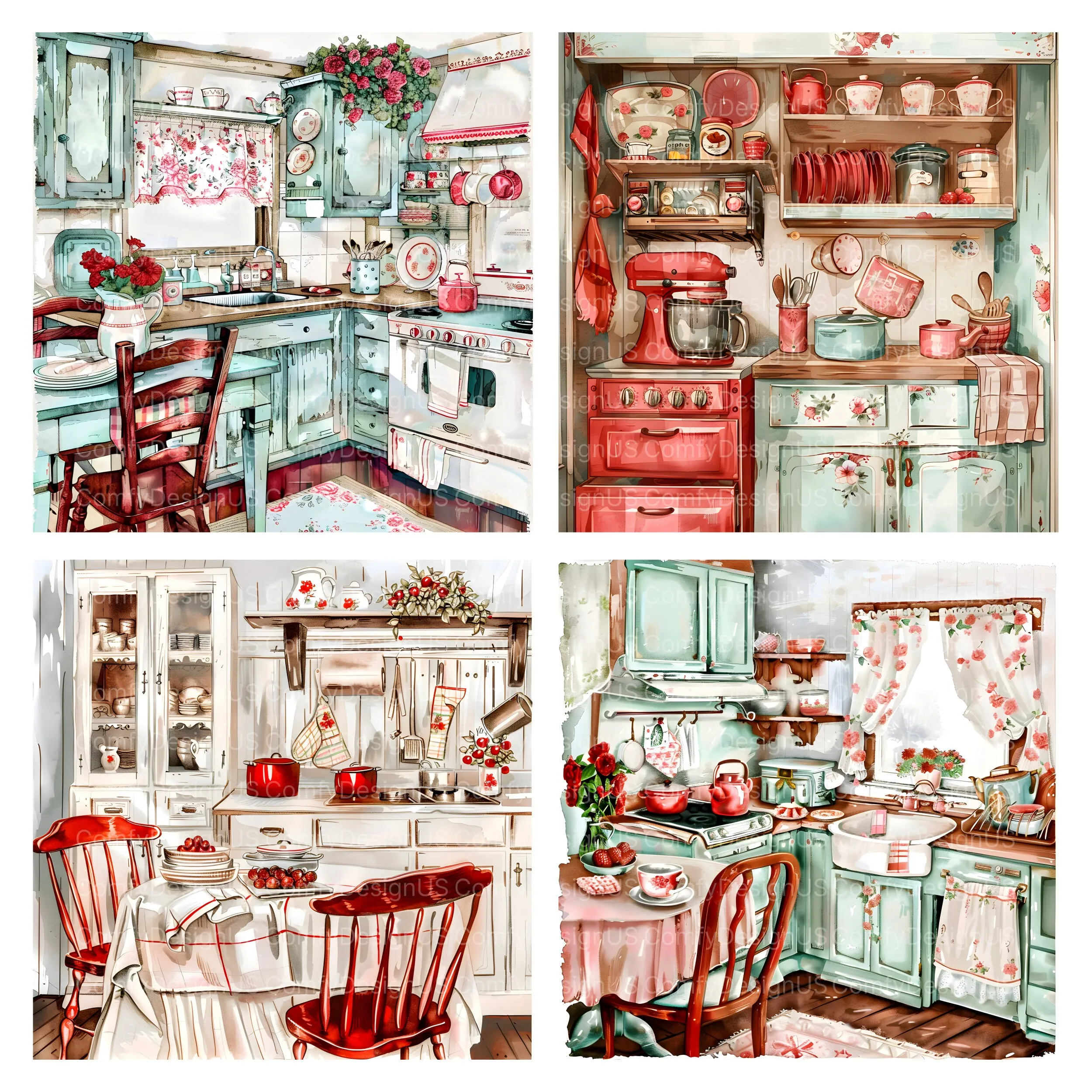
Choosing the Right Rustic Red Kitchen Decor
Designing a rustic red kitchen involves more than just choosing the right shade of red. It is about creating a warm, inviting space that reflects a sense of history, comfort, and natural beauty. The key is to balance the boldness of red with the textures and elements characteristic of rustic design. Think of cozy, lived-in spaces that feel both elegant and functional. Rustic decor often incorporates natural materials, handcrafted items, and a color palette that draws inspiration from the earth. To achieve this, you will need to think about the entire space, considering the colors, textures, and the overall atmosphere you want to create. Start by evaluating your existing kitchen space and identifying the elements that can be enhanced or replaced to align with the rustic red theme.
Understanding the Rustic Red Color Palette
The foundation of any rustic red kitchen is the color palette. While red is the star, it needs supporting colors to create depth and balance. Consider shades like creamy whites, warm beiges, and earthy browns to complement the red. These neutral tones will prevent the space from feeling overwhelming and will highlight the red accents. You can also incorporate greens and blues inspired by nature to add further depth. Using a variety of tones within the red spectrum, from muted brick reds to deeper burgundy shades, can also add visual interest. Always test your color choices in your kitchen before committing, considering how the light affects the colors at different times of the day.
Warm vs. Cool Reds

Choosing between warm and cool reds is crucial. Warm reds, with their orange undertones, create a welcoming and energizing atmosphere. They work well in kitchens because they evoke a sense of comfort and warmth, ideal for a space where family and friends gather. Cool reds, on the other hand, have blue undertones and can offer a more sophisticated and subdued look. They can be effective in creating a dramatic statement, but they need to be balanced carefully with other colors to prevent the space from feeling cold. Consider the amount of natural light in your kitchen when making your choice. Warm reds thrive in spaces with less natural light, while cool reds can work well in brighter kitchens.
Integrating Textures and Materials
Rustic design is all about embracing texture and natural materials. The combination of different textures prevents the kitchen from appearing flat and adds depth. Incorporate elements like exposed brick walls, wooden beams, and rough-hewn furniture. Consider using materials such as distressed wood, reclaimed wood, and stone for countertops and backsplashes. These elements instantly add a rustic charm and warmth. Textiles like linen, burlap, and woven rugs can introduce softness and comfort. The goal is to create a space that feels lived-in and full of character, a space where every element tells a story. Don’t be afraid to mix different materials to create a visually rich environment.
The Importance of Natural Elements
Natural elements are at the heart of rustic design. They connect your kitchen to the outdoors and add a sense of tranquility. Include natural materials like wood, stone, and metal. Using wood for cabinetry, countertops, or open shelving adds warmth and character. Stone backsplashes or countertops bring a sense of history and authenticity. Metal accents, such as iron light fixtures or copper cookware, provide a touch of industrial charm. You can also introduce plants and greenery to bring life and freshness to the space. Fresh herbs, potted plants, or a vase of wildflowers will add color and a sense of the natural world.
Incorporating Wood and Stone

Wood and stone are fundamental to rustic decor. They bring warmth, texture, and a connection to nature. Use wood in its natural state, with knots and imperfections visible, to highlight its character. Consider wooden cabinets, open shelves, or a rustic dining table. Stone can be used for countertops, backsplashes, or flooring. A stone backsplash in a reddish hue can tie the color scheme together beautifully. When combining wood and stone, aim for a balance. If you have a lot of stone, use wood to soften the space. If you have a lot of wood, add stone to introduce texture and contrast. These natural elements create a sense of harmony and authenticity in your kitchen.
Selecting Furniture for Rustic Red Kitchens
The furniture you choose will greatly influence the feel of your rustic red kitchen. Opt for pieces that have a classic, timeless design. Think about a sturdy farmhouse table with a distressed finish, paired with wooden chairs or a bench. Consider a vintage-style island, which provides both functionality and character. Look for furniture with natural finishes or painted in neutral colors to complement the red. Incorporate pieces with character, such as a rustic hutch or a vintage sideboard, for storage and display. Always keep functionality in mind. The furniture should be practical for daily use and contribute to the overall ambiance.
Choosing the Right Cabinets and Countertops
Cabinets and countertops are essential elements in your kitchen design. For a rustic red kitchen, consider cabinets in natural wood tones or painted in a complementary neutral color. Distressed or antiqued cabinets add character and charm. For countertops, natural stone like granite or soapstone works well, bringing a sense of luxury and durability. Alternatively, butcher block countertops introduce warmth and a more casual feel. If you want to use red in your cabinetry, consider a muted shade and balance it with neutral countertops to avoid overpowering the space. The choice of cabinets and countertops sets the tone for the entire kitchen, so choose wisely based on your desired aesthetic and lifestyle.
Selecting Appliances

When selecting appliances, consider how they fit into the rustic design. Stainless steel appliances can work well in a rustic setting, especially if they have a more classic design. However, you might also want to consider appliances with a vintage aesthetic or those with panel-ready doors that can be integrated with your cabinetry. This helps to maintain a cohesive look. Colors like cream or off-white can complement the red and other rustic elements. Ensure the appliances are functional and fit the needs of your cooking and entertaining habits. The goal is to find a balance between practicality and aesthetics to maintain a cohesive kitchen design.
Adding Accent Pieces and Decor
Accent pieces and decor are what give your rustic red kitchen its personality. These are the elements that reflect your personal style and tie the design together. Include items like vintage signs, antique kitchen tools, and handcrafted pottery. Use open shelving to display decorative plates, bowls, and cookbooks. Consider incorporating textiles such as linen curtains, woven placemats, and cozy throw pillows. Display fresh flowers, herbs, and seasonal decorations to add color and vibrancy. The key is to choose pieces that are meaningful to you and add a sense of warmth and character to the space. These accessories will create the perfect ambiance.
Choosing the Right Accessories
Accessories are the finishing touches that complete your rustic red kitchen. Choose items that complement the overall design scheme. Consider adding copper cookware, enamelware, and cast iron pots and pans to the kitchen. Displaying these items adds to the rustic aesthetic while also serving a practical purpose. Other accessories might include wooden cutting boards, vintage scales, and mason jars. You can also incorporate practical items that add character, such as a farmhouse sink and a vintage-style faucet. Remember to keep the accessories simple and cohesive, ensuring they enhance the overall design rather than distract from it. Accessories make the kitchen feel complete and fully functional.
Lighting and Ambiance for Rustic Red Kitchens

Lighting plays a crucial role in setting the ambiance of your kitchen. The right lighting can highlight the rustic elements, create a warm, inviting atmosphere, and influence the overall design. Use a combination of lighting to achieve the desired effect. Pendant lights over the island or table can provide focused illumination. Consider using exposed bulb fixtures or those with a vintage design to enhance the rustic feel. Under-cabinet lighting can illuminate the workspace. Make sure the lighting is functional as well as aesthetic. Using dimmers can help you adjust the lighting throughout the day, allowing you to create different moods as needed.
Natural and Artificial Lighting
Combining natural and artificial lighting is essential for achieving the perfect ambiance. Maximize natural light by keeping windows unobstructed and using light-colored window treatments. This will brighten the space and complement the red decor. For artificial lighting, choose fixtures that blend with the rustic theme. Wrought iron chandeliers, pendant lights with Edison bulbs, and sconces made of wood or metal can add character and warmth. Consider using a combination of overhead lighting, task lighting (over the counters and stove), and ambient lighting (dimmable lights to create a warm and inviting glow). Use layers of light to make the space feel balanced.
Achieving the Perfect Ambiance
Achieving the perfect ambiance in a rustic red kitchen involves attention to detail. The goal is to create a space that feels both welcoming and practical. Soften the space with textiles like rugs, curtains, and dish towels. The colors and textures of these fabrics should complement the red and the other rustic elements. Use scented candles, diffusers, or essential oils to create a pleasant atmosphere. Consider incorporating plants and natural elements. The combination of lighting, color, textures, and scents should create a space that feels cozy and inviting. This type of planning creates a space that you will enjoy spending time in.
3D Printing in Rustic Red Kitchen Decor

3D printing offers exciting possibilities for creating unique and customized rustic red kitchen decor. From custom cabinet pulls to decorative accents, 3D printing allows you to bring your design ideas to life in ways that were not possible before. You can design and print personalized items that perfectly match your rustic theme, ensuring a cohesive look throughout the kitchen. This technology allows you to experiment with different shapes, textures, and materials, enabling you to create truly unique pieces. The affordability and accessibility of 3D printing make it an ideal option for creating small decorative elements. It also allows for precise customization to suit your specific needs and preferences.
Benefits of 3D Printing in Kitchen Design
3D printing provides a host of benefits in kitchen design. It allows for the creation of highly customized items, such as cabinet pulls, knobs, and decorative accents, which can be designed to match the specific style of your kitchen. 3D printing enables you to experiment with different materials and textures, such as wood-filled filaments that mimic the appearance of natural wood. Prototypes can be made quickly and affordably. You can test out different designs before committing to a final product. It allows for the creation of intricate details and complex shapes that might be difficult or expensive to produce using traditional methods. The technology also allows for efficient use of materials, reducing waste and promoting sustainability.
Designing Custom Decor with 3D Printing
Designing custom decor with 3D printing can be a fun and rewarding experience. You can use 3D modeling software to design items such as custom cabinet pulls, decorative bowls, and unique wall art. Start by sketching your ideas and then translate them into 3D models. There are many free or affordable 3D modeling software options. You can choose materials that match your design, such as wood-filled filaments or durable plastics. Consider the colors and textures that best complement your rustic red theme. Once your design is ready, use a 3D printer to bring your ideas to life. This process allows you to create unique and personalized decor items that enhance the overall aesthetic of your kitchen.
Maintenance and Care for Rustic Red Decor

Proper maintenance and care are vital for preserving the beauty and longevity of your rustic red kitchen decor. Regularly dust and clean your decor items to prevent the buildup of grime and dust. Use appropriate cleaning products for the materials in your kitchen. Wood surfaces can be cleaned with a damp cloth and wood cleaner, while stone surfaces may require specific cleaners. Protect your decor from direct sunlight and extreme temperatures to prevent fading or damage. For items made from natural materials like wood and stone, apply protective sealants or finishes to increase their durability. Careful maintenance will help your rustic red kitchen decor stay beautiful for years to come.
Cleaning and Preserving Your Decor
Cleaning and preserving your rustic red kitchen decor involves taking a few simple steps. Dust frequently to prevent the build-up of dirt and grime, which can damage materials. For wood surfaces, use a damp cloth and a gentle wood cleaner. Avoid harsh chemicals that can damage the finish. For stone surfaces, use pH-neutral cleaners to prevent etching. Clean your appliances, countertops, and cabinets regularly. Protect your decor from direct sunlight and extreme temperatures. This helps to prevent fading and cracking. When using cleaning products, always follow the manufacturer’s instructions. By taking these steps, you can maintain the beauty of your rustic red kitchen decor for years to come.
Avoiding Common Mistakes in Rustic Red Kitchen Decor
Avoiding common mistakes will help you achieve a successful rustic red kitchen design. One common mistake is using too much red. Balance the red with neutral colors and natural elements to avoid overpowering the space. Another mistake is neglecting the importance of texture. Incorporate a variety of textures to add visual interest and depth. Avoid using too many modern or sleek elements, as they may clash with the rustic theme. Also, don’t underestimate the value of lighting. Ensure you have a combination of natural and artificial lighting to create a warm and inviting ambiance. Plan and research your design to avoid expensive mistakes.