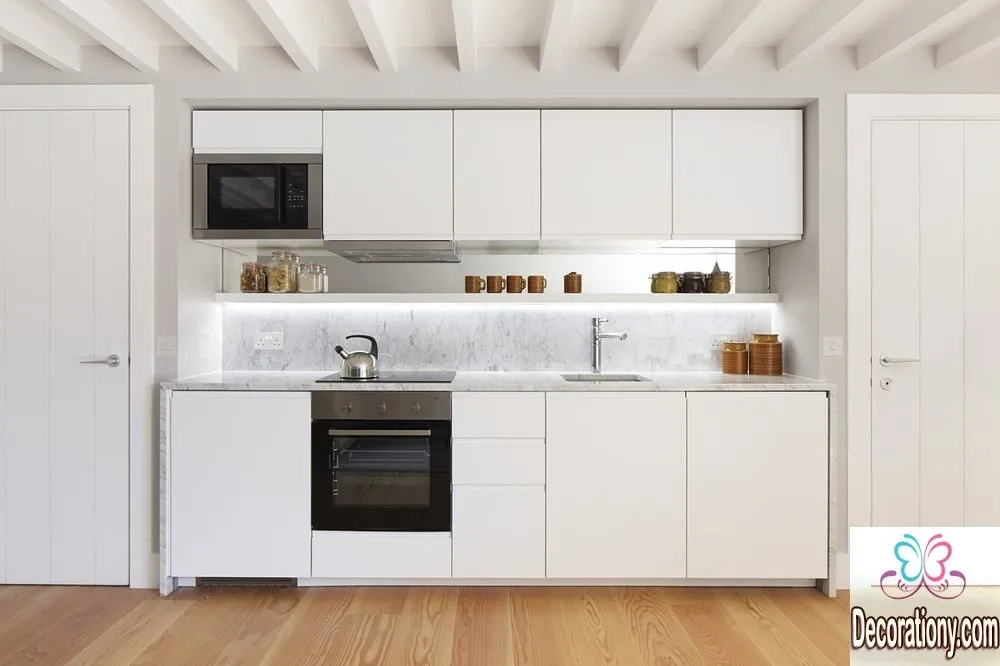
Embarking on a kitchen decor project can feel overwhelming, but with a clear plan, it can transform into an exciting endeavor. This guide provides the essential steps to get you started. Whether you’re aiming for a complete overhaul or a minor refresh, the right approach will help you create a space that is both functional and beautiful. Begin by understanding your current needs and aspirations for your kitchen. Consider the elements that you love and the areas that need improvement. The goal is to design a kitchen that reflects your personality and caters to your lifestyle, creating a welcoming and practical space that you will enjoy for years to come.
Planning Your Kitchen Decor
Before you start browsing catalogs or visiting showrooms, it is crucial to establish a solid foundation for your project. Planning will save you time, reduce stress, and ensure that your project aligns with your vision and budget. The planning stage involves defining your style, setting a budget, and determining your priorities. It’s the blueprint for your dream kitchen, so take the time to get it right. A well-thought-out plan will not only guide you through the decorating process but also help you avoid costly mistakes and ensure a smooth transformation of your space.
Define Your Style
Your kitchen’s style sets the tone for the entire space, so choose a style that you are passionate about. Research different design aesthetics to get inspiration. Browse online resources, magazines, and social media platforms to gather ideas and identify the elements that resonate with you. Pay attention to the features that capture your interest, like the color schemes, materials, and decorative elements. By defining your style, you establish a cohesive vision and make it easier to make decisions throughout the decor process.
Modern Kitchens

Modern kitchens are characterized by sleek lines, minimalist designs, and the use of contemporary materials. Common features include flat-panel cabinetry, stainless steel appliances, and a neutral color palette. These kitchens often incorporate the latest technologies and offer a clean, uncluttered look. Modern kitchens often include open shelving, and the use of high-gloss finishes. The goal is to create a streamlined and efficient space that is both visually appealing and functional. The emphasis on simplicity and functionality makes this style a popular choice for homeowners seeking a contemporary aesthetic.
Rustic Kitchens
Rustic kitchens exude warmth and charm, with a focus on natural materials and a welcoming atmosphere. Key elements include exposed wood beams, distressed cabinets, and stone or brick accents. The color palette often incorporates earthy tones, such as greens, browns, and creams. Rustic kitchens embrace imperfections and celebrate the beauty of natural textures. The goal is to create a cozy and inviting space that feels grounded and timeless. Consider adding vintage decor elements or handcrafted details to enhance the rustic appeal and create a sense of history.
Traditional Kitchens
Traditional kitchens offer a classic and enduring appeal, blending timeless design elements with elegant details. Features typically include raised-panel cabinetry, ornate moldings, and intricate hardware. The color palette often incorporates warm, inviting tones, such as creams, beiges, and soft pastels. Traditional kitchens often incorporate classic design elements, such as framed artwork, and display cabinets. The goal is to create a refined and sophisticated space that is both functional and visually appealing. Consider incorporating antique furniture or decorative elements to enhance the traditional aesthetic.
Set a Budget

Establishing a realistic budget is crucial for the success of your kitchen decor project. Before starting, it’s essential to assess your financial resources and determine how much you can comfortably spend. Research the costs of different materials, appliances, and services to get an idea of the potential expenses. Allocate your budget strategically, prioritizing the areas that are most important to you. Remember to include a contingency fund for unexpected costs. A well-defined budget will prevent overspending and help you make informed decisions throughout the project.
Small Kitchens
Small kitchens require smart planning to maximize space and functionality. Consider using space-saving solutions, such as pull-out drawers, corner cabinets, and vertical storage. Light-colored cabinets and countertops can make the space feel brighter and more open. Incorporate lighting that helps to open up the space. Appliances should be of the right size and should fit the space that you have. Minimize clutter and opt for multi-functional furniture. Careful planning and thoughtful design will help transform your compact kitchen into an efficient and stylish space.
Large Kitchens
Large kitchens offer more flexibility and provide opportunities for creative design elements. Consider incorporating an island to serve as a workspace, dining area, or extra storage. Define different zones for cooking, prep, and dining. Utilize open shelving or display cabinets to showcase your collection of dishes and decor. Ensure that your lighting scheme is well-planned, using a combination of ambient, task, and accent lighting. Design features like a walk-in pantry, and a separate bar area. With careful planning, your large kitchen will evolve to become a beautiful, functional, and welcoming area for you and your family.
Prioritize Your Needs

Identify the areas of your kitchen that require the most improvement. Consider the layout, functionality, and overall aesthetics of the space. Think about your daily cooking and meal preparation routines, and the appliances and storage solutions you need to optimize your experience. Do you need more counter space, better lighting, or improved storage? By prioritizing these needs, you can focus your efforts and budget on the most impactful changes. This allows you to create a kitchen that not only looks beautiful but also functions perfectly to your specific requirements.
Storage Solutions
Efficient storage is crucial for maintaining a tidy and organized kitchen. Assess your current storage and identify the areas that need improvement. Consider adding pull-out drawers, pantry organizers, and corner cabinets. Take advantage of vertical space by installing shelves and hanging pot racks. The goal is to maximize storage capacity while keeping items easily accessible. The implementation of organizational strategies will improve the functionality of your kitchen and create a space that is both practical and visually appealing.
Prep Surfaces
Adequate prep surfaces are essential for comfortable cooking and meal preparation. Evaluate the available counter space and determine whether it meets your needs. If space is limited, consider adding a kitchen island, a mobile butcher block, or creating a dedicated prep area. Choose materials that are durable, easy to clean, and resistant to heat and stains. Incorporating these elements will make your kitchen more functional and improve your overall cooking experience.
Choosing the Right Colors

Colors play a significant role in the overall aesthetic of your kitchen. The right color scheme can transform a space, making it feel brighter, more spacious, and more inviting. Consider the existing features of your kitchen, such as the cabinetry, flooring, and countertops, when selecting colors. Research color palettes to gain inspiration and understand the psychology of colors. Understanding how colors affect the perception of a room can help you create a harmonious and stylish kitchen design.
Color Psychology in Kitchens
Color psychology explores how colors influence human emotions and behaviors. Different colors evoke various feelings, and it’s important to select colors that align with the atmosphere you want to create in your kitchen. Warm colors, such as reds and oranges, can create a sense of energy and excitement, while cool colors, like blues and greens, can promote tranquility and relaxation. Neutral colors, such as whites and grays, offer versatility and can make a space feel more open and airy. By understanding color psychology, you can make informed decisions about the colors that will enhance the overall ambiance of your kitchen.
Popular Kitchen Color Schemes
Consider these popular color schemes for inspiration and guidance. Classic combinations include white and gray, offering a clean and modern aesthetic. Earthy tones, such as greens, browns, and creams, evoke warmth and a natural feel. Bold colors, such as blues and yellows, can create a vibrant and energetic space. Choose a scheme that reflects your personal style and complements the existing features of your kitchen. Don’t be afraid to experiment with different combinations until you find the perfect scheme that meets your preferences and needs.
Neutral Colors

Neutral colors, such as whites, grays, and beiges, offer versatility and timeless appeal. They can make a space feel brighter, more spacious, and create a calming atmosphere. These colors serve as a great backdrop for colorful accents. Neutral colors will adapt to changing trends and personal preferences. Consider the undertones of your neutral colors, such as warm or cool, to ensure they complement your overall design. You can incorporate textures and materials to add depth and interest to a neutral kitchen design.
Bold Colors
Bold colors, such as blues, greens, and yellows, make a statement and create a vibrant atmosphere. You can use them to add energy and personality to your kitchen design. Consider using bold colors on cabinetry, accent walls, or accessories. Use them sparingly to avoid overwhelming the space. Pair bold colors with neutral tones to create balance and harmony. Experiment with various shades and combinations to achieve the desired effect and create a kitchen that expresses your unique personality.
Incorporating Textures and Materials
Textures and materials play a significant role in adding depth, visual interest, and character to your kitchen design. By incorporating different textures and materials, you can create a dynamic and visually appealing space. Pay attention to details and consider the overall aesthetic you want to achieve. Create a balanced look that is both functional and stylish. Consider using a variety of materials to achieve a look that meets your expectations.
Countertops

Countertops are a focal point in any kitchen. Choose materials based on their durability, appearance, and maintenance requirements. Popular options include granite, quartz, marble, and butcher block. Granite offers a natural stone aesthetic. Quartz is engineered for durability and low maintenance. Marble adds elegance. Butcher block provides warmth and a rustic charm. The selection of the right countertops will reflect your design and support your needs. When choosing the right countertop, consider your budget, style, and daily use.
Backsplashes
Backsplashes protect your walls from spills and splashes while adding visual interest to your kitchen. Explore various materials, such as tile, glass, metal, and stone. Consider the pattern and color of the backsplash in relation to your countertops and cabinetry. Choose a design that complements your overall aesthetic and enhances the kitchen’s functionality and style. Experiment with different tile shapes, patterns, and grout colors to create a unique and personalized touch. Backsplashes provide a great way to express your design.
Flooring
Flooring sets the tone for your kitchen, as it must be durable, easy to clean, and visually appealing. Consider materials such as hardwood, tile, vinyl, and laminate. Hardwood offers warmth and natural beauty. Tile provides durability and is available in various styles and patterns. Vinyl and laminate are affordable, and available in many designs. Ensure that your flooring complements your cabinetry and countertops, while also considering the practical aspects of daily use. The right flooring can transform your kitchen from a practical space to an inviting and functional area.
Lighting and Appliances
Lighting and appliances are essential elements that affect both the function and aesthetics of your kitchen. An effective lighting plan creates ambiance, enhances visibility, and highlights key features. Selecting the right appliances will support your cooking needs. Consider your needs to create a space that is both functional and beautiful.
Ambient Lighting
Ambient lighting provides overall illumination and sets the mood in your kitchen. Use recessed lights, pendant lights, or a chandelier to create a welcoming atmosphere. Consider the color temperature of your light bulbs. Warm white light is inviting, while cool white light provides a more energizing atmosphere. The lighting will help to create an area in which to cook in an adequate manner.
Task Lighting
Task lighting illuminates specific work areas. Focus on essential areas like the countertops, stove, and sink. Under-cabinet lighting is a great option for task lighting. Ensure that the lighting is bright enough to allow you to perform your tasks safely and efficiently. The right task lighting will enhance your ability to complete your activities.
Accent Lighting
Accent lighting highlights specific features. Use it to showcase artwork, display cabinets, or architectural details. Options include spotlights, track lighting, and LED strips. Accent lighting can add visual interest and create a warm and inviting atmosphere. You will have many options for lighting, so feel free to try something you are interested in.
Choosing Appliances
Select appliances that match your cooking needs, style, and budget. Choose energy-efficient models. Consider the size, features, and overall design of your appliances in relation to your kitchen layout. Stainless steel is a common choice. Other popular options are black and white appliances. The right appliances will enhance the function and aesthetics of your kitchen.
Adding Personal Touches
Adding personal touches is what truly makes your kitchen a reflection of your style and personality. This is where you can express your creativity and create a space that feels unique and welcoming. Consider your existing design to choose the right items. The addition of your personal items will help to add life to your kitchen. Your creativity will shine in the finished product.
Artwork
Artwork adds personality to your kitchen. Choose pieces that reflect your interests and complement your design. Hang paintings, prints, or photographs. Select art that is appropriate for the kitchen environment, such as pieces that can withstand humidity. Place art in areas that are easily visible, such as the walls. Artwork will enhance the overall look of your kitchen and show your personality.
Accessories
Accessories help add warmth and character. Incorporate items such as decorative bowls, vases, and canisters. Add a pop of color with stylish kitchen utensils. Organize accessories on open shelves or countertops. The addition of accessories will transform your kitchen and reflect your personal style.
Plants
Plants add life and freshness to any space, including your kitchen. Place potted herbs on a windowsill or countertop. Add larger plants to corners or open shelves. Choose plants that thrive in kitchen environments, such as succulents. Plants will breathe life into your kitchen and purify the air. The addition of plants will make your kitchen feel more welcoming and enhance your mood.
Transforming your kitchen is a rewarding project that allows you to create a space that reflects your personal style and caters to your needs. The key is to plan, choose the right elements, and incorporate personal touches. By following the guidance provided, you can achieve a functional, beautiful kitchen. It is your space, so put your personality into it.