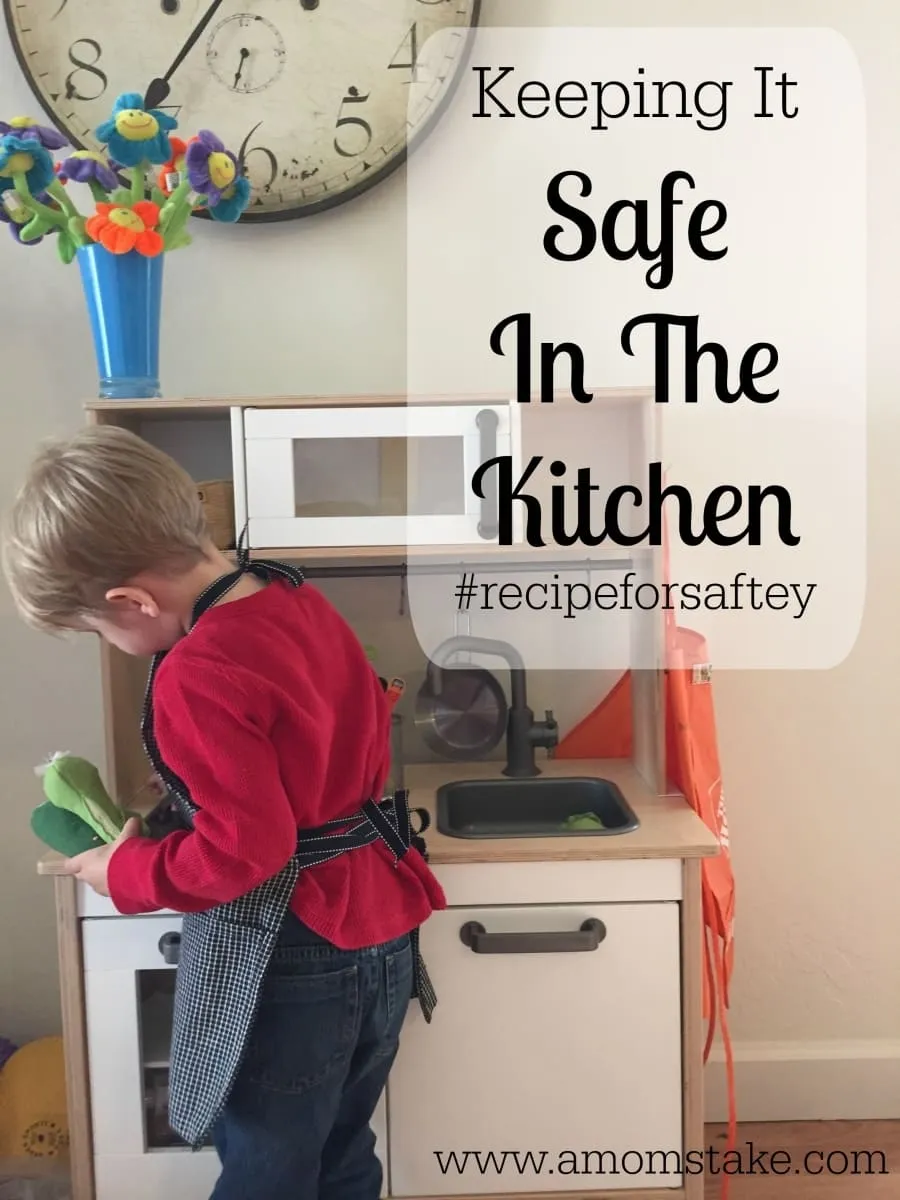
Kitchen decor is about more than just aesthetics; it’s also about creating a safe and healthy environment. Many people overlook the potential hazards lurking in their kitchens, from toxic materials to fire risks. This article explores the top 5 ways to spark joy in your kitchen by prioritizing safety, ensuring your space is not only beautiful but also a secure and healthy haven for you and your loved ones. Focusing on both design choices and practical considerations, you can create a kitchen that’s both visually appealing and safe to use, giving you peace of mind while you cook, entertain, and spend time in the heart of your home.
Prioritizing Safety in Kitchen Decor
Before diving into aesthetics, consider the fundamental safety aspects of your kitchen. This means choosing materials wisely, planning the layout carefully, and implementing safety measures to prevent accidents. Remember, the best kitchen decor is useless if it compromises your health and safety. By making informed choices, you can create a space that not only looks great but also protects you from potential hazards.
Choosing Non-Toxic Materials
The materials you choose for your kitchen can significantly impact your health. Many conventional materials release volatile organic compounds (VOCs), which can cause respiratory problems and other health issues. Opting for non-toxic alternatives is a crucial step in creating a safe kitchen environment. Consider the following for your kitchen decor. Choosing eco-friendly and non-toxic options not only promotes a healthier home but also supports sustainable practices.
Safe Paint and Finishes

Traditional paints often contain VOCs, which can linger in your home for years. Look for low-VOC or zero-VOC paints for walls, cabinets, and trim. These paints emit fewer harmful chemicals and are a safer choice for your family. Furthermore, consider water-based finishes for wood surfaces instead of oil-based ones. This small change can make a big difference in the air quality of your kitchen. Also, consider the different types of paint based on kitchen needs.
Eco-Friendly Countertops
Countertops are a significant surface area in the kitchen, so the material you choose matters. Options like recycled glass, reclaimed wood, and sustainably sourced stone are excellent choices. These materials are often free of harmful chemicals and can contribute to a healthier indoor environment. Moreover, they often have a lower environmental impact compared to conventional options like granite or quartz. Always check for certifications to ensure the materials meet your safety and sustainability standards.
Sustainable Flooring Options
Flooring can also impact your kitchen’s safety profile. Choose flooring options like bamboo, cork, or linoleum, which are often made from renewable resources and have low VOC emissions. Avoid vinyl flooring, which can contain harmful chemicals. Ensure the flooring is slip-resistant to prevent falls, especially in high-traffic areas. These choices will not only improve your kitchen’s safety but also contribute to a more sustainable home. You must prioritize safety over the appearance of your kitchen.
Avoiding Hazards in Kitchen Design

Beyond materials, the design of your kitchen plays a critical role in its safety. Thoughtful planning can minimize common risks and prevent accidents. Pay close attention to appliance placement, ventilation, and fire safety when designing or remodeling your kitchen. Making small changes can prevent accidents.
Preventing Fire Hazards
Fire safety is paramount in any kitchen. Install smoke detectors and carbon monoxide detectors and regularly check their batteries. Keep flammable materials, such as dish towels and curtains, away from the stove and oven. Have a fire extinguisher readily accessible and know how to use it. Consider installing a fire suppression system above the stove, particularly if you cook frequently or have a gas range. Always supervise cooking and never leave the kitchen unattended when the stove is on. Consider installing a fire-resistant backsplash.
Safe Appliance Placement
Appliance placement significantly impacts kitchen safety. Ensure that your oven and cooktop are installed away from high-traffic areas to prevent accidental bumps and burns. Place your refrigerator away from heat sources, such as the oven or direct sunlight, to ensure optimal performance and food safety. Make sure all appliances are properly grounded to prevent electrical shocks. Ensure that the appliances have enough space for airflow, and follow the manufacturer’s instructions for installation and use.
Proper Ventilation

Adequate ventilation is essential for removing smoke, odors, and grease from the kitchen. Install a range hood that vents to the outside and use it every time you cook, especially when frying or searing. Proper ventilation helps prevent the buildup of harmful gases and reduces the risk of fire. Clean your range hood filters regularly to maintain its efficiency. In addition, consider installing a window or an extra exhaust fan to improve ventilation.
Childproofing Your Kitchen
If you have young children, childproofing your kitchen is essential. This means taking steps to prevent accidents and ensure their safety. A childproof kitchen is a safer kitchen for everyone, providing peace of mind and preventing avoidable injuries. Focus on minimizing hazards that could lead to accidents. Prioritizing safety for the children is important in the kitchen design.
Secure Cabinetry and Drawers
Install safety locks on cabinets and drawers to prevent children from accessing dangerous items, such as cleaning supplies, sharp objects, and medications. Choose cabinets with soft-close mechanisms to prevent fingers from getting pinched. Make sure all cabinet doors and drawers are properly installed and secure. Also, consider the height of the drawers and cabinets for easy access for children.
Using Safety Locks

Use safety locks on all potentially hazardous items, including cleaning products, sharp knives, and medications. These locks should be difficult for children to open but easy for adults to access. Regularly check the locks to ensure they are functioning correctly and replace them if they become damaged or worn. It is a good measure to childproof your kitchen from all the risks.
Creating a Healthy Kitchen Environment
A healthy kitchen environment promotes well-being. This involves paying attention to air quality, reducing exposure to harmful chemicals, and designing a space that is ergonomic and easy to use. The choices you make in your kitchen can significantly impact your health, so creating a healthy environment is essential. It will allow you to enjoy the kitchen more and will minimize risks.
Air Quality and Ventilation
Maintain good air quality by ensuring proper ventilation. Use the range hood every time you cook to remove smoke, grease, and odors. Consider installing an air purifier to remove airborne particles and pollutants. Keep the kitchen well-ventilated by opening windows regularly, especially when cooking or cleaning. A well-ventilated kitchen is key to a healthy environment and reduces the risks of hazards.
Reducing Chemical Exposure

Minimize your exposure to harmful chemicals by using non-toxic cleaning products and avoiding harsh chemicals. Choose natural cleaning solutions or make your own using ingredients like vinegar, baking soda, and lemon juice. Store cleaning products in a secure location away from food preparation areas. Read labels carefully and avoid products that contain harmful ingredients. Consider using alternatives like microfiber cloths to reduce the need for chemical cleaners.
Safe and Ergonomic Design
Ergonomic design is about creating a kitchen that is comfortable and easy to use. This means considering factors like work heights, lighting, and accessibility. A well-designed kitchen promotes safety by reducing the risk of strain, accidents, and injuries.
Optimizing Kitchen Layout for Safety
A well-planned kitchen layout minimizes the risk of accidents. Ensure there is enough space for movement and that the work areas are logically arranged. Avoid overcrowding the kitchen and ensure there is adequate space around the sink, stove, and refrigerator. Proper planning reduces the chances of accidents, such as bumping into appliances or tripping over obstacles.
Work Triangle Considerations

The work triangle is a fundamental concept in kitchen design. It refers to the three main work areas: the sink, the stove, and the refrigerator. The work triangle ensures an efficient and safe workflow. Make sure the distances between these three points are reasonable and that the path between them is clear of obstructions. Avoid placing the sink directly across from the stove to prevent water from splashing onto the cooking surface. A well-planned work triangle can greatly improve the safety of your kitchen.
Accessibility and Universal Design
Consider universal design principles to create a kitchen that is accessible and user-friendly for everyone, including those with mobility issues. This means incorporating features like lower countertops, pull-out shelves, and easy-to-reach cabinets. Ensure that there is enough space for a wheelchair to maneuver and that the appliances and fixtures are easy to operate. This will create a safer and more inclusive space for all family members and guests.
Lighting and Visibility
Proper lighting is essential for kitchen safety. Adequate lighting reduces the risk of accidents and makes it easier to perform tasks. Ensure the lighting is well-placed and provides enough illumination for all work areas. Improve your safety by implementing the lighting correctly.
Adequate Lighting for Tasks

Provide adequate lighting for all tasks, including food preparation, cooking, and cleaning. Use a combination of ambient, task, and accent lighting to create a well-lit and functional kitchen. Install under-cabinet lighting to illuminate countertops and provide focused task lighting. Use pendant lights over the island or peninsula to create a well-lit workspace. Consider using dimmable lights to adjust the lighting levels based on the time of day and the activity.
Avoiding Glare
Avoid glare, which can reduce visibility and increase the risk of accidents. Position light fixtures strategically to avoid glare from shining directly into your eyes. Use shades or diffusers to soften the light and reduce harsh reflections. Consider the color temperature of the light bulbs; warmer light is often more comfortable and less prone to causing glare. Use a variety of lighting types to get the best lighting experience.
In conclusion, creating a safe kitchen is about combining beautiful design with smart, safety-conscious choices. By prioritizing non-toxic materials, preventing hazards, childproofing your space, and designing ergonomically, you can create a kitchen that sparks joy, promotes health, and ensures the well-being of everyone in your home. Remember that safety should always be the top priority when planning your kitchen decor. This is not only a good practice but a must if you care about your family.