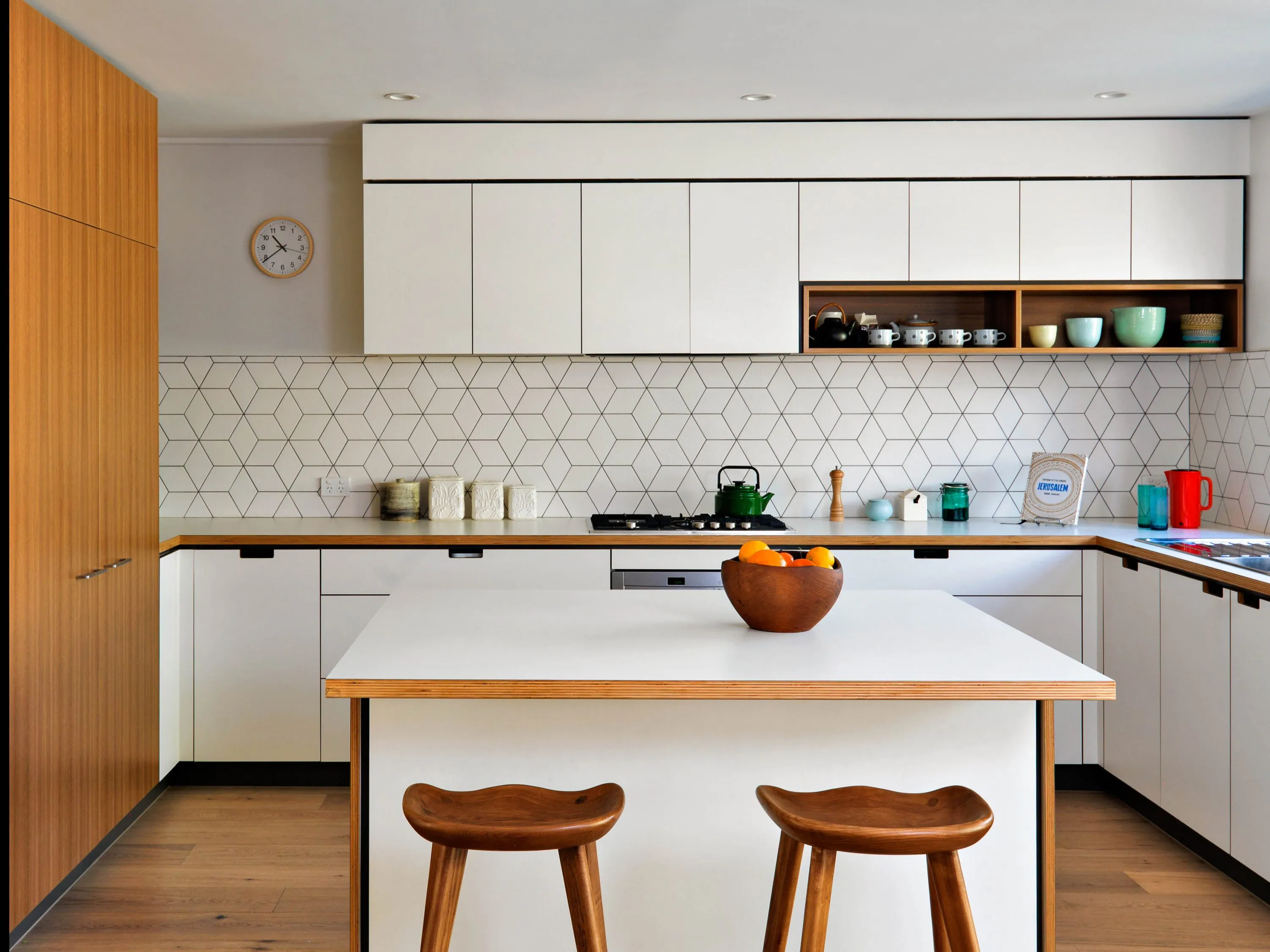
Embracing Mid-Century Modern Kitchen Design
Mid-century modern design has experienced a significant resurgence, and nowhere is this more evident than in the kitchen. This style, which flourished from the mid-1940s to the mid-1960s, is characterized by its clean lines, organic shapes, and a focus on functionality. Embracing mid-century modern kitchen decor means creating a space that is both stylish and practical, blending the past with the present. The key is to understand the core principles of the style and incorporate them thoughtfully. This guide will help you transform your kitchen into a stylish and functional mid-century modern haven, providing seven essential tips to guide your decorating journey. This design philosophy emphasizes simplicity, usability, and a connection to nature, making it ideal for the modern home.
Understanding the Core Elements
To successfully decorate a mid-century modern kitchen, it’s crucial to grasp its core elements. This style is defined by several key features. A focus on functionality and simplicity is paramount, with an emphasis on clean lines and uncluttered spaces. The use of natural materials, such as wood, is another hallmark, bringing warmth and a connection to nature. Color palettes often incorporate a blend of vibrant hues and earthy tones. Understanding these core elements will help you make informed decisions about your kitchen decor. It’s about creating a space that is inviting, practical, and a true reflection of the mid-century modern aesthetic. The right combination of materials, colors, and design principles can make a significant impact.
Clean Lines and Geometric Shapes

Clean lines and geometric shapes are fundamental to mid-century modern design. Think sleek cabinetry, simple hardware, and uncluttered countertops. Avoid ornate details and embrace the beauty of minimalist design. Geometric patterns, such as those found in wallpaper, tiles, or textiles, can add visual interest without overwhelming the space. The goal is to create a sense of order and spaciousness, allowing the eye to move freely throughout the kitchen. This emphasis on simplicity contributes to the timeless appeal of the style. Consider cabinets with flat-panel doors, streamlined drawer pulls, and a clutter-free countertop to achieve this look. This design philosophy promotes a sense of calm and sophistication.
Wood Tones and Natural Materials
Wood tones and natural materials are essential for achieving the mid-century modern aesthetic. The use of wood adds warmth and texture, creating a welcoming atmosphere. Consider incorporating wood in your cabinetry, flooring, and even accent pieces. Look for wood with warm, natural finishes, such as walnut, teak, or oak. In addition to wood, incorporate other natural materials like stone, such as granite or quartz countertops, and materials like glass and metal. These elements contribute to the organic feel of the space, grounding the design and providing a connection to nature. The combination of wood and other natural materials creates a balanced and harmonious environment. This design choice makes the kitchen feel more open and inviting.
Color Palettes and Accents
Color plays a vital role in mid-century modern kitchen decor. The palette typically includes a mix of earthy tones, such as browns, greens, and oranges, along with pops of vibrant colors. These accents can be incorporated through artwork, accessories, or even appliances. The overall effect is one of balance and visual interest, avoiding a monotonous appearance. Consider a neutral base, such as white or light gray, and then introduce color through your decor. Experiment with different combinations to find what works best for your space. The strategic use of color can make your kitchen feel more personalized and dynamic. This approach allows for a versatile and timeless design that will endure.
Warm and Inviting Colors

Warm and inviting colors are at the heart of a mid-century modern kitchen. Earthy tones like mustard yellow, avocado green, and burnt orange evoke a sense of nostalgia and comfort. These colors can be used on walls, cabinetry, or even as accents through textiles and accessories. Combining these warm hues with natural wood tones creates a balanced and inviting space. The use of warm colors makes the kitchen feel more welcoming. Soft lighting can further enhance the cozy atmosphere. Warm colors make the kitchen a cheerful space for cooking and gathering. Choose colors that make you feel happy and relaxed.
Adding a Pop of Color
Adding a pop of color is a great way to inject personality into your mid-century modern kitchen. Consider using bold colors in unexpected places, such as on the backsplash, or on the walls of a dining area. Brightly colored appliances, like a retro refrigerator or a vibrant mixer, can also be used to add a focal point. The key is to balance the bold colors with neutral tones to prevent the space from feeling overwhelming. Choose colors that complement the existing palette of your kitchen, and use them sparingly. A well-placed pop of color can transform a space, creating a more vibrant and dynamic environment. This will inject energy and style into your kitchen.
Choosing the Right Lighting
Lighting is a critical element in mid-century modern design. It should be both functional and stylish, enhancing the overall aesthetic of the kitchen. Consider a layered lighting scheme, incorporating ambient, task, and accent lighting. This approach ensures that the kitchen is well-lit for various activities, from cooking to dining. The choice of lighting fixtures is also important. Mid-century modern lighting often features clean lines, geometric shapes, and a focus on form and function. Make sure the lighting fixtures complement the overall design of your kitchen, creating a cohesive and stylish look. Lighting can dramatically affect the mood and ambiance of your kitchen.
Pendant Lights and Chandeliers

Pendant lights and chandeliers are iconic elements in mid-century modern kitchen design. These fixtures often feature simple, geometric shapes and are made from materials like metal, glass, or wood. Pendant lights can be used over an island or dining table, providing both task and ambient lighting. Chandeliers can add a touch of elegance and drama to the space. Look for fixtures with clean lines, such as globe-shaped pendants or Sputnik-style chandeliers. Ensure that the size and scale of the lighting are appropriate for the space, and consider using dimmers to control the light levels. Well-chosen pendant lights and chandeliers can make a statement.
Task and Ambient Lighting
Beyond pendant lights and chandeliers, consider the importance of task and ambient lighting. Task lighting is essential for areas where you perform specific activities, such as food preparation. Install under-cabinet lighting to illuminate countertops, and consider track lighting for added flexibility. Ambient lighting provides a general level of illumination throughout the kitchen. Recessed lighting or flush-mount fixtures can be used to create a soft, even glow. A well-designed lighting scheme provides functionality and enhances the overall aesthetic of your mid-century modern kitchen, making it a welcoming and efficient space. The layered approach to lighting is key.
Selecting Functional and Stylish Appliances
Appliances play a crucial role in a mid-century modern kitchen, and choosing the right ones can significantly enhance the overall aesthetic. Look for appliances that combine functionality with style, with a focus on clean lines and retro-inspired designs. The finish of the appliances is an important consideration. Stainless steel is a popular choice, but you can also consider appliances in colors like white or black to complement the overall design. Make sure your appliances are energy-efficient and suited to your lifestyle. Your appliance selection helps you keep the kitchen cohesive and stylish, all while performing their practical functions effectively.
Built-in Appliances for Seamless Design

Built-in appliances are a great way to achieve a seamless, modern look in your kitchen. They integrate perfectly with your cabinetry, creating a clean and uncluttered aesthetic. Consider built-in refrigerators, ovens, and dishwashers to maintain a cohesive design. The lack of visible appliances helps maintain the clean lines that are so crucial to mid-century modern style. This design choice maximizes space and creates a sophisticated and streamlined look. The integrated appliances blend seamlessly with your design to give your kitchen a polished and modern feel.
Retro-Inspired Appliances
Retro-inspired appliances are a fantastic way to infuse your kitchen with mid-century modern charm. Many manufacturers offer refrigerators, ranges, and other appliances that feature the iconic curves, colors, and chrome details of the era. These appliances serve as both functional items and decorative accents, instantly elevating the aesthetic of the space. Choose appliances in bold colors, such as turquoise, mint green, or cream, to create a striking focal point. Retro-inspired appliances add a touch of nostalgia and personality. They make a statement and offer great functionality.
Incorporating Vintage Decor and Accessories
Incorporating vintage decor and accessories is essential for achieving an authentic mid-century modern kitchen. These items add character and personality, and they provide a connection to the past. Look for vintage items at antique stores, flea markets, and online marketplaces. Carefully chosen vintage pieces can truly transform your kitchen. Select items that complement the overall design and add a touch of nostalgia. By incorporating vintage decor and accessories, you can create a space that is both stylish and full of personality. These items bring the kitchen to life.
Finding Vintage Treasures

Finding vintage treasures requires a bit of patience and a keen eye, but the rewards are well worth the effort. Start by visiting local antique stores, flea markets, and estate sales. Search online marketplaces, such as eBay and Etsy, for specific items. Look for vintage kitchenware, such as ceramic dishes, glassware, and serving pieces. Vintage furniture, such as a retro dining table and chairs, can also add to the mid-century modern aesthetic. The hunt for vintage treasures is part of the fun, and the unique pieces you find will add character to your kitchen. The items will give it charm and authenticity.
Accessories and Decorative Items
Accessories and decorative items can add the finishing touches to your mid-century modern kitchen. Look for items that reflect the design principles of the era, such as geometric patterns, organic shapes, and vibrant colors. Consider adding a vintage clock, a set of retro canisters, or a stylish bar cart. Artwork can also play a role, with abstract paintings or graphic prints. Avoid clutter, and focus on selecting a few carefully chosen items that complement the overall design. These small details can truly transform the space. The selected items will bring the design together.
Optimizing Kitchen Layout for Functionality
Functionality is a key element in mid-century modern kitchen design. Ensure that your kitchen layout is efficient and user-friendly. Consider the flow of movement and the placement of appliances. Make sure there’s sufficient counter space for food preparation and adequate storage for all your kitchen essentials. A well-designed kitchen layout will make cooking and entertaining a pleasure. Functionality is as important as style in mid-century modern design. The right layout will make your kitchen practical and enjoyable.
The Importance of the Kitchen Triangle

The kitchen triangle is a fundamental concept in kitchen design, representing the three primary work areas: the sink, the refrigerator, and the stove. The goal is to create a layout where these three elements are within easy reach of each other, minimizing steps and maximizing efficiency. A well-designed kitchen triangle can make the kitchen easier to navigate and more efficient. Consider the layout of your kitchen and how these three elements are positioned. The goal is to make it convenient to move between the sink, refrigerator, and stove. This optimizes workflow and minimizes the effort required for food preparation and cleaning.
Maximizing Storage Solutions
Maximizing storage solutions is another key aspect of a functional mid-century modern kitchen. Look for ways to increase your storage capacity without sacrificing the clean lines and uncluttered aesthetic of the design. Consider incorporating pull-out drawers, built-in shelves, and pantry organizers. Utilize vertical space by installing tall cabinets. A well-organized kitchen can improve functionality and enhance the overall design. Maximize your space to keep your kitchen neat and functional. Storage is about having everything in its place, and within easy reach.
Conclusion
Creating a mid-century modern kitchen is a rewarding endeavor, blending style, functionality, and a touch of nostalgia. By following these seven tips, you can transform your kitchen into a stylish and practical space. From understanding the core elements of mid-century modern design to incorporating vintage decor and optimizing the kitchen layout, each step contributes to the overall aesthetic. Remember to focus on clean lines, natural materials, and a balanced color palette. With careful planning and execution, you can create a kitchen that is both beautiful and functional, reflecting the timeless appeal of the mid-century modern style. Embrace the charm and create a kitchen you’ll love for years to come.