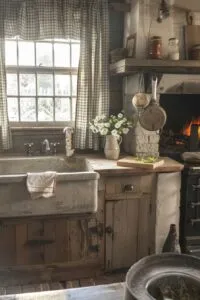
Understanding Rustic Kitchen Decor
Rustic kitchen decor embraces the charm of natural materials, vintage aesthetics, and a warm, inviting atmosphere. It’s a style that celebrates imperfection, highlighting the beauty of aged wood, weathered metals, and handcrafted details. Unlike the sleek, minimalist approach of modern kitchens, rustic design embraces a sense of history and character, creating a space that feels lived-in and comfortable. This design style is all about creating a space that feels welcoming and functional, where the heart of the home is truly celebrated. The goal is to bring the outdoors in, creating a connection to nature and a sense of tranquility. This style is perfect for those who appreciate the beauty of simplicity and the enduring appeal of classic design.
Key Elements of Rustic Kitchen Design
Several key elements define a rustic kitchen. First, the emphasis on natural materials is paramount. Wood, stone, and brick are frequently used, lending a sense of authenticity and grounding. Another crucial element is the use of vintage or antique accents. These can include everything from repurposed furniture to antique kitchen tools, adding character and a unique story to the space. The color palette typically leans towards earthy tones, creating a warm and inviting atmosphere. Textures play a significant role; think rough-hewn wood, exposed beams, and textured fabrics. Finally, functionality is key. Rustic kitchens are designed to be practical and welcoming, with plenty of workspace and storage, making them ideal for both cooking and gathering.
Color Palette for Rustic Kitchens

The color palette in a rustic kitchen usually consists of earthy, muted tones. Think of creamy whites, soft grays, warm browns, and subtle greens. These colors evoke a sense of calm and create a backdrop that complements the natural materials. Accent colors can be introduced through accessories, such as pops of red, blue, or yellow, but these should be used sparingly. Consider using shades inspired by nature such as the colors of the forest, with deep greens and warm browns. These colors create a cozy and inviting feel, perfect for a space where you spend a lot of time. Avoid bright, synthetic colors as they can detract from the organic feel. Instead, opt for a palette that reflects the earth and creates a sense of harmony.
Choosing the Right Materials
The choice of materials is crucial in achieving a rustic kitchen aesthetic. Wood is the star player, particularly reclaimed or distressed wood. Use it for cabinetry, countertops, and flooring. Stone, such as granite or slate, adds a natural touch. Brick can be incorporated in walls, backsplashes, or even flooring. Metals, especially wrought iron or copper, add a touch of vintage charm. The key is to choose materials that look aged, weathered, and authentic. Avoid materials that appear overly polished or modern. The goal is to create a space that feels like it has evolved over time, with a history and character of its own. Select materials that will age gracefully and gain character with use.
Incorporating Wood in Your Kitchen
Wood is a cornerstone of rustic design. Explore different ways to incorporate it. Consider wood cabinetry with a distressed finish or open shelving made from reclaimed wood. Wooden countertops can add warmth, or a butcher block island serves as a functional and aesthetic centerpiece. The type of wood you choose also influences the overall look. Oak, pine, and reclaimed wood all bring different qualities to the space. The way the wood is used impacts the feel of your kitchen. Exposed beams are another excellent way to bring wood into the space, adding architectural interest. Make sure the wood tones blend well with the other elements in the kitchen to create a cohesive look.
Using Natural Stone and Brick

Natural stone and brick add depth and texture to a rustic kitchen. A stone backsplash, especially with uneven edges, can create a focal point. Consider a brick wall or brick flooring to add a sense of history and character. Stone countertops, such as granite or slate, can bring a natural elegance. These materials contribute to the overall sense of authenticity and create a connection to the outdoors. The variations in color and texture of stone and brick bring visual interest. Always ensure that these materials complement the wood and other elements in your kitchen to create a harmonious design. These materials bring in the essence of earthiness, contributing significantly to the rustic charm.
Adding Texture and Warmth
Texture is crucial in rustic design to provide visual interest and warmth. Combine rough-hewn wood, exposed beams, and textured stone. Incorporate fabric with different textures such as linen, burlap, or woven cotton. Add rugs to the floor for softness, or use cozy throws and cushions on benches or chairs. Metallic accents, like copper pots, can add visual appeal. By layering textures, you create a tactile experience that feels inviting and lived-in. This will enhance the kitchen’s overall welcoming and cozy atmosphere. Texture provides the space with richness and depth, giving your kitchen character.
Selecting the Right Lighting
Lighting is crucial for creating the right ambiance in a rustic kitchen. Choose fixtures that complement the overall style, such as pendant lights with metal or glass shades, vintage-style chandeliers, or sconces with exposed bulbs. Layer your lighting to create different moods. Incorporate task lighting, like under-cabinet lights, for functionality. Add ambient lighting, like a chandelier over an island, for a warm glow. The right lighting creates a cozy and inviting atmosphere, enhancing the rustic appeal. Natural light is also key; keep windows clear of obstructions to maximize sunlight.
Types of Rustic Kitchen Lighting

There are several styles of lighting that fit a rustic kitchen. Farmhouse-style pendant lights made from metal or glass are a classic choice. Vintage chandeliers with exposed bulbs can add charm. Sconces with a rustic finish can create a warm and inviting glow. Consider lantern-style lighting fixtures for a touch of vintage appeal. To choose the best style for your kitchen, consider the kitchen’s size and design. Layering different types of lights is also essential for a well-lit kitchen. Ensure the lighting is both functional and decorative to achieve the desired aesthetic.
Adding Decorative Accents
Decorative accents are essential to bring the rustic theme to life. Vintage signs, antique kitchen tools, and repurposed furniture add character and personality. Wrought iron details, like pot racks or cabinet hardware, add a touch of elegance. Rustic artwork, such as paintings or photographs of landscapes or still lifes, can be a nice addition. Decorative accents are the finishing touches. Choose items that reflect your style and interests, making your kitchen feel unique and lived-in. These add a personal touch, turning your kitchen into a place to express yourself.
Choosing Rustic Kitchen Accessories
Accessories can enhance the rustic aesthetic. Consider adding items such as antique cutting boards, mason jars, or woven baskets for storage. Copper pots and pans can be displayed for both functionality and visual appeal. Ceramic bowls, wooden utensils, and other handcrafted items add warmth and texture. Choosing accessories that are both practical and visually appealing is important. These details add character to the space and help to create a cohesive design. Ensure your accessories do not clutter the space and that they have a clear purpose.
Displaying Cookware and Utensils

In a rustic kitchen, cookware and utensils often become part of the decor. Hang copper pots and pans from a pot rack or display them on open shelving. Arrange wooden utensils in a vintage crock. Consider displaying your knives on a magnetic strip or in a wooden block. Displaying these items adds character and charm to the kitchen. Displaying your cookware and utensils this way also makes them easily accessible. Select items that complement the overall design and create a functional and visually appealing space.
Styling Your Juicery Corner
If you have a juicery corner, incorporate rustic elements to create a cohesive look. Use a reclaimed wood countertop for your juicer and accessories. Display your fresh fruits and vegetables in woven baskets or wooden crates. Consider a chalkboard to write down your favorite juice recipes. Add a vintage-style scale to measure ingredients. Incorporate a small, rustic table or stool for preparing the juices. Adding these features enhances the aesthetics and provides you with a practical and appealing juicery area. Integrate the juicery corner into the design of your kitchen to create a coherent, functional space.
By understanding the key elements and applying these styling tips, you can transform your kitchen into a warm, inviting, and stylish rustic space. Embrace the beauty of natural materials, vintage accents, and a cozy atmosphere. The goal is to create a space that reflects your personality and love of the rustic style.