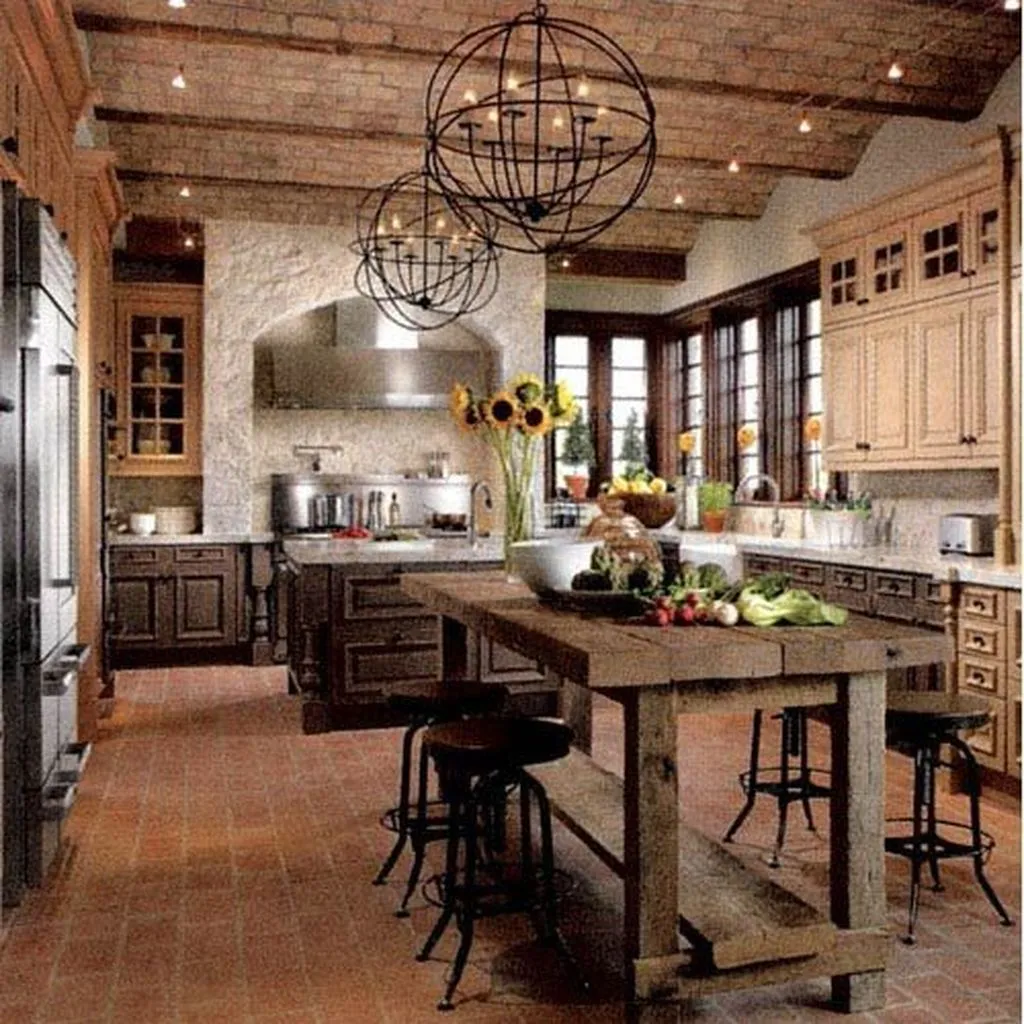
What is Rustic Kitchen Decor
Rustic kitchen decor is all about creating a warm, inviting, and lived-in space that celebrates natural materials, vintage touches, and a sense of history. It’s a style that embraces imperfections, highlighting the beauty of raw textures and the charm of handcrafted elements. Forget sleek minimalism; rustic kitchens are all about comfort, character, and a connection to nature. It’s a style that evokes feelings of nostalgia and a simpler time, making your kitchen the heart of your home. From exposed wooden beams to farmhouse sinks, rustic design incorporates various elements that contribute to its unique appeal. The goal is to create a space that feels both stylish and functional, where you can gather with family and friends to enjoy delicious meals and create lasting memories.
Defining Rustic Style
Rustic style is characterized by its use of natural, raw, and often reclaimed materials. Think wood, stone, brick, and metal, all of which contribute to the style’s authentic and grounded aesthetic. It’s a design that prioritizes functionality and comfort over excessive ornamentation, creating a space that feels welcoming and unpretentious. The color palette often draws inspiration from nature, with earthy tones such as warm browns, creams, and greens dominating the space. The overall ambiance should feel cozy, with an emphasis on creating a sense of history and character within the kitchen. It’s a versatile style that can be adapted to various settings, from a cozy cabin in the woods to a modern apartment in the city.
Key Elements of Rustic Decor

Several key elements define rustic decor. Natural materials are at the forefront, with wood being a primary component. Exposed wooden beams, reclaimed wood flooring, and wooden cabinetry all contribute to the style’s authenticity. Stone and brick accents add texture and a sense of permanence, while a neutral color palette creates a calming backdrop. Vintage or antique furniture, such as farmhouse tables and chairs, adds character and personality. Open shelving is a staple, allowing you to display your favorite dishware and decorative items. Lighting often features antique fixtures or wrought iron elements. Accessories should be carefully curated to create a lived-in and personal space, and the incorporation of metal accents, like copper pots or iron hardware, add a touch of industrial charm.
Top 7 Rustic Kitchen Decor Ideas
Exposed Wooden Beams
Exposed wooden beams instantly add a rustic touch, bringing warmth and architectural interest to your kitchen. They are a timeless element that can transform a space, adding both visual appeal and a sense of history. Whether they are original to the structure or added for decorative purposes, they create an inviting atmosphere that evokes a sense of comfort. The natural grain and texture of the wood provide a striking contrast to other design elements in the kitchen. They can be stained or left in their natural state to match the overall style of your kitchen. Consider the size and the spacing of the beams to make sure that they complement the scale of your kitchen.
Adding Wooden Beams to Your Kitchen

Adding wooden beams involves careful planning and execution. For existing homes, you can expose hidden beams by removing the drywall or ceiling panels. Alternatively, you can install faux beams, which are lighter and easier to work with. These are often made of wood or polyurethane and can be customized to match your desired aesthetic. Ensure that the beams are properly installed, following local building codes, and consider consulting a professional for assistance. Choose the type of wood that best matches the overall style of your kitchen and the level of rustic you’re trying to achieve. Staining or painting the beams to complement your existing decor is essential.
Incorporating Vintage Furniture
Vintage furniture adds character, history, and a unique touch to a rustic kitchen. A large farmhouse table becomes the heart of the space, perfect for family meals and gatherings. Chairs with worn finishes or unique details offer a sense of personality. Consider adding a vintage sideboard or hutch for extra storage and display space. Each piece carries its own story, and the combination of textures and finishes creates a welcoming atmosphere. The key is to find furniture pieces that show their age and imperfections, which add to the rustic charm. Vintage furniture blends seamlessly with the other design elements within the kitchen.
Finding the Right Vintage Pieces
Finding vintage furniture requires some patience and exploration. Explore flea markets, antique stores, and online marketplaces. Look for pieces made of solid wood, with visible wear and tear that tells a story. Examine the construction and details, such as dovetail joints and handcrafted elements, which often indicate quality. Consider the size and style of the furniture in relation to your kitchen. A large farmhouse table is a classic choice, but a smaller bistro table could be better for a compact space. Don’t be afraid to refinish or repurpose vintage pieces to match your overall design scheme. You can also incorporate vintage accessories, such as antique scales or old cooking utensils, to enhance the rustic feel.
Using Natural Materials

Natural materials are fundamental to creating a rustic kitchen. Wood, stone, and brick provide a textural contrast and an authentic feel. Wooden cabinets, countertops, and flooring are all essential components. Stone countertops or backsplashes add a touch of elegance and durability. Consider using reclaimed wood for a sustainable and unique touch. The beauty of natural materials is that they age gracefully, developing character and patina over time. Their imperfections and variations in grain add to the overall charm. These natural materials bring the outdoors in, adding to the cozy and inviting atmosphere of a rustic kitchen.
Stone and Brick Accents
Stone and brick accents add depth, texture, and a timeless quality to your kitchen. Use stone for countertops, backsplashes, or even an entire wall. Brick can be used to create an accent wall, a kitchen island base, or even as flooring. These materials provide a connection to nature and a sense of permanence. Stone can range from rough-hewn to polished, depending on the desired look, while brick can be left in its natural state or painted. Incorporating stone and brick adds visual interest and a touch of history. Make sure to seal your stone and brick surfaces to protect them from moisture and stains, which helps ensure longevity and ease of maintenance.
Embracing a Neutral Color Palette
A neutral color palette forms a solid foundation for a rustic kitchen, creating a calming and inviting atmosphere. Whites, creams, grays, and soft browns provide a versatile backdrop that allows other elements to shine. These colors reflect light, making the space feel open and airy. They also provide a perfect canvas for incorporating natural materials and textures. A neutral palette will allow you to create a consistent and balanced look. This creates a welcoming atmosphere. Adding pops of color through accessories and accents can provide visual interest and maintain the rustic aesthetic. Consider layering different shades of neutrals to add depth and complexity to your kitchen design.
Choosing Paint Colors

When selecting paint colors for your rustic kitchen, consider warm, earthy tones. Soft whites, such as off-white or creamy hues, are classic choices that create a clean and bright space. Light grays and muted browns add a touch of sophistication and warmth. Avoid bright or overly saturated colors, as they can detract from the rustic aesthetic. If you want to add a pop of color, consider using it on a kitchen island, a backsplash, or through accessories. Always test paint samples in your kitchen to see how they look in different lighting conditions. The right paint colors will enhance the natural textures and materials, creating a cohesive and inviting design.
Displaying Open Shelving
Open shelving is a defining characteristic of rustic kitchens, providing both functionality and a decorative element. Display your favorite dishware, cookbooks, and decorative items, adding personality and charm. Open shelving encourages a sense of openness and accessibility, creating a more relaxed and inviting atmosphere. It allows you to showcase your personal style and add visual interest to your kitchen. Open shelves also make it easier to access everyday items. They can be made from wood, metal, or a combination of both. Consider the depth and height of your shelves to maximize storage and display space. This contributes to the overall look of your kitchen.
Arranging Items on Shelves
Arranging items on open shelves requires a thoughtful approach. Group similar items together, such as dishes, glasses, and cookbooks. Vary the heights and sizes of the items to create visual interest. Incorporate decorative objects, such as plants, vases, and artwork, to add personality. Consider adding a few baskets or bins for storage, to conceal items and add texture. Avoid overcrowding the shelves, allowing for some negative space. The goal is to create a balanced and visually appealing display. Rearrange your shelves periodically to keep the look fresh and interesting. By displaying items in a way that is both beautiful and functional, you can enhance the rustic appeal of your kitchen.
Adding Farmhouse Sinks

Farmhouse sinks, also known as apron-front sinks, are an essential element of rustic kitchen design. These sinks add a touch of vintage charm and are a practical addition, offering a deep basin for washing dishes. They are often made from materials like porcelain, fireclay, or stainless steel, all of which provide a classic look and durable performance. The exposed front adds a distinctive detail that contributes to the rustic aesthetic. A farmhouse sink will add functionality and visual appeal to your kitchen, while also creating a cozy and welcoming space. Their spacious design makes them ideal for a busy kitchen.
Selecting the Right Sink
When selecting a farmhouse sink, consider the material, size, and style. Porcelain and fireclay sinks are classic choices, offering a traditional look and durability. Stainless steel sinks are a more modern option that blends well with a rustic aesthetic. Consider the size of your kitchen and the amount of space you have available. A large sink can become a focal point in the kitchen. The style of the sink should complement your overall design scheme, such as a rounded apron or a more geometric shape. Ensure that you have adequate support for the weight of the sink. A farmhouse sink will be a great investment, as they add to the overall appeal and functionality of your kitchen.
Using Antique Lighting
Antique lighting fixtures are a perfect complement to a rustic kitchen, adding character and a sense of history. Choose from a variety of styles, such as chandeliers, pendant lights, or sconces. These lights add visual interest and provide warmth. They contribute to the overall ambiance. The imperfections and unique designs found in antique fixtures enhance the rustic charm. Consider the size and scale of the lights in relation to your kitchen. Be mindful of the amount of light each fixture provides, and consider adding dimmer switches to adjust the ambiance. Antique lighting adds a final touch to the rustic style.
Types of Antique Lighting

There are several types of antique lighting fixtures to consider for your rustic kitchen. Chandeliers with a wrought iron or wooden frame add elegance and provide ample light over a dining table or island. Pendant lights with glass shades or metal finishes are perfect for illuminating workspaces. Sconces with vintage details, add a touch of charm to walls. When choosing antique lighting, ensure the fixture is safe and meets current electrical standards. Look for fixtures that complement your existing decor. Antique lighting enhances the overall rustic atmosphere, creating a welcoming and stylish kitchen.
Decorating with Rustic Accessories
Rustic accessories are the finishing touches that bring your kitchen to life, adding personality and character. Incorporate items that reflect your style and add visual interest. A collection of antique cutting boards, vintage scales, and cast iron cookware all contribute to the rustic charm. Display fresh herbs in terracotta pots or add a vase of wildflowers to brighten up the space. Think about adding wooden bowls, antique canisters, or woven baskets to incorporate texture and warmth. Avoid clutter and choose accessories that are functional. These final details create a welcoming space that reflects your personal style.
Accessorizing Your Kitchen
When accessorizing your kitchen, consider adding layers of texture and varying heights. Place a wooden cutting board against the backsplash. Add a collection of vintage spoons in a rustic jar. Include a decorative piece of art. Choose items that coordinate with your overall color scheme and design. Think about the functionality of your accessories. Use baskets to store frequently used items. Arrange a display of antique cookbooks on open shelves. Add a soft touch with a vintage rug or a set of linen dish towels. This will bring your kitchen to life.
Incorporating Metal Accents

Metal accents add an element of industrial charm to a rustic kitchen. Copper pots and pans hung on a pot rack are a classic choice. Wrought iron hardware and fixtures add a touch of sophistication. Consider adding a galvanized metal storage container. Mixing and matching different metals creates an interesting visual contrast. These touches add character and functionality. Metal accents will enhance the look of your rustic kitchen, while adding visual interest and functionality. By balancing these metal accents with other natural and vintage elements, you can create a balanced and visually appealing space.
Conclusion
Creating a rustic kitchen involves embracing natural materials, vintage touches, and a sense of history to create a warm, inviting, and stylish space. From incorporating exposed wooden beams and natural materials to adding farmhouse sinks and antique lighting, there are many ways to achieve this look. Decorating with rustic accessories and metal accents will further enhance the charm and character of your kitchen. By following these design ideas, you can transform your kitchen into a cozy and welcoming space that reflects your personal style and creates a warm atmosphere for family and friends. Enjoy the process of designing a space that tells a story and embraces the beauty of the rustic style.